


By Solar Africa On 16-11-2026 at 7:51 am
Monocrystalline vs Polycrystalline Solar Panels in Kenya
Which panel type suits your Kenyan roof?
If you are planning a solar array for your home, farm or shop, the mono vs poly question comes up early. The differences that matter on a Kenyan rooftop are power per square metre, heat and shade handling, roof space, cost per watt, and appearance. This guide explains those differences, then gives a simple way to decide, including what else must match when you expand an existing system.
What you need before you choose
- Your daily energy need in watt-hours (Wh). Add up the watts of each appliance times the hours you use it.
- Your usable roof area. Measure the space that gets direct sun from about 9am to 3pm, not the whole roof.
- Your budget. Include mounting, cables, charge controller, inverter and batteries, not just panels.
- Your existing system details (if expanding). Panel model, voltage, charge controller type and battery bank voltage.
- A plan for shade. Note trees, water tanks, parapets or neighbouring buildings that cast shadows.
How the two types differ in the real world
Efficiency per square metre
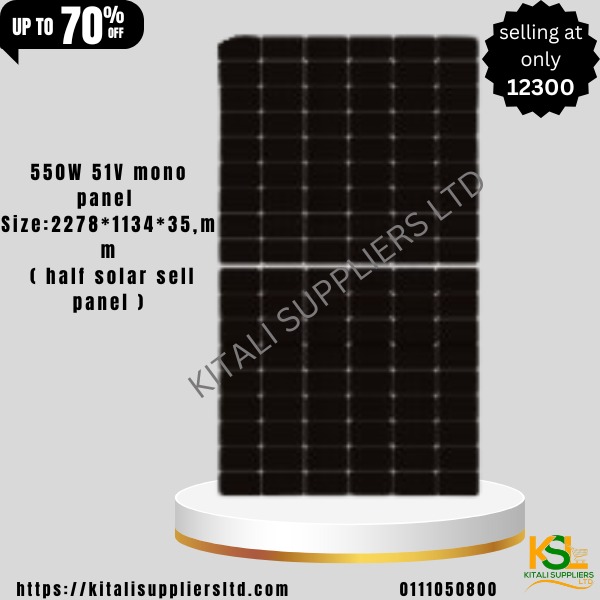
Monocrystalline panels typically convert a higher share of sunlight into electricity per square metre than polycrystalline panels of the same era. A mono panel of a given wattage is often slightly smaller than the poly panel of the same wattage, so on a limited roof you can fit more watts. On a large roof, the difference may not matter much.
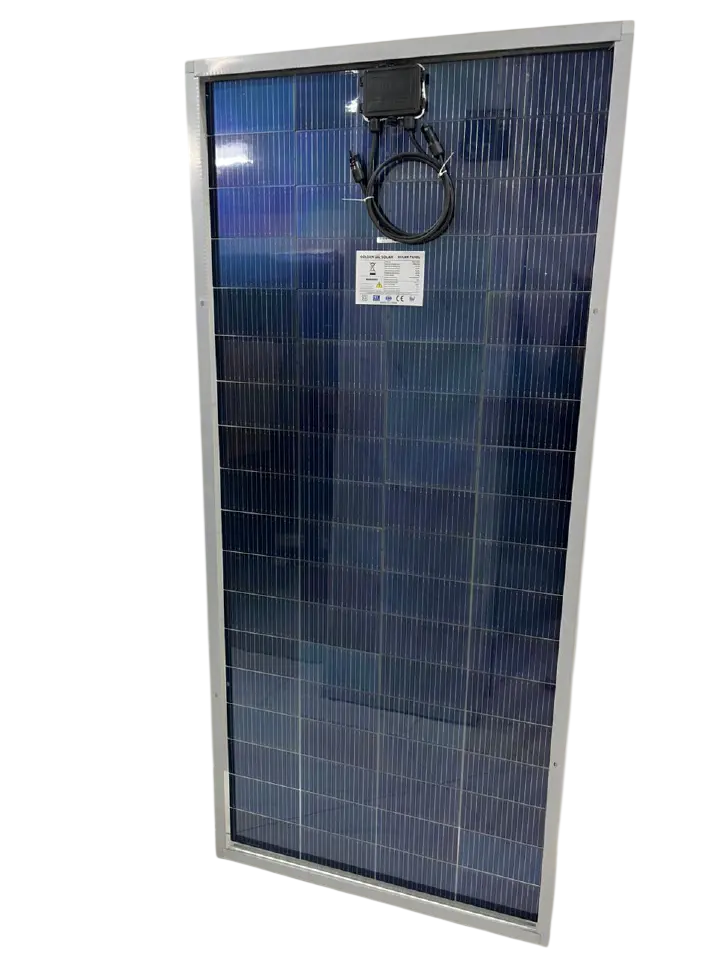
For example, the 60w Solar Panel 18v Monocrystalline Solar Panel is a 60W 18V monocrystalline panel, handy for charging 12V batteries in tight spots. The 250w solar panel monocrystaline is a 250W monocrystalline panel, while the 270W Golden Solar Bifacial Solar Panel is a 270W bifacial monocrystalline module that can capture light from both sides when mounted over a reflective surface.
Performance in heat
All panels lose some output as they heat up. Polycrystalline panels generally have a slightly higher temperature coefficient, so they may lose a little more power per degree of heat than mono panels. In hot Kenyan conditions this can widen the gap, but the difference is usually modest. Good ventilation behind the panels matters more than the cell type.
Partial shade
Neither type is immune to shade. A shaded panel drags down the whole string unless you use bypass diodes or micro-inverters. Mono panels are not magically better in shade. Plan the layout to avoid shadows from tanks, chimneys or trees, or use a shade-tolerant charge controller. Do not rely on panel type to solve shading.
Roof space needed
Because mono panels are more efficient per square metre, they need less roof area for the same wattage. If you have a small roof, mono is usually the practical choice. If you have plenty of space, poly panels can be a cost-effective way to reach your target wattage.
Price per watt
Poly panels are often cheaper per watt than mono panels. However, the total system cost includes mounting, wiring, controllers and batteries. On a space-limited roof, the extra cost of mono panels may be offset by needing fewer panels and less mounting hardware. Always compare the installed cost per watt, not just the panel price.
Appearance and lifespan
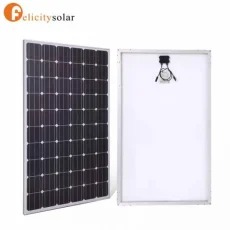
Mono panels are usually uniform dark blue or black. Poly panels have a speckled blue look. Both types typically carry a power warranty of 25 years or more, but check the specific datasheet. The Premium Full-Black Monocrystalline Solar Panel is a full-black monocrystalline panel with an anodized aluminium frame and toughened glass, designed for a sleek look on residential roofs.
A simple sizing table
| Roof situation | Suggested panel type | Why |
|---|---|---|
| Small roof, limited space | Monocrystalline | More watts per square metre, so you fit more capacity |
| Large roof, tight budget | Polycrystalline | Lower cost per watt; you have space to spare |
| Very hot, unshaded roof | Either, with good ventilation | Heat affects both; airflow matters more than type |
| Shaded roof | Neither solves it alone | Use bypass diodes or micro-inverters; plan layout carefully |
How many panels will fit?
Measure your usable roof area in square metres. A typical 250W panel is about 1.6m by 1m, so roughly 1.6 square metres. Leave at least 0.5m between rows for maintenance and airflow. Divide your usable area by the panel area to get a rough count, then round down. Expect around 70–80% of rated output on a hot day, depending on installation and location.
For a small cabin or a single room, a compact panel like the 60w Solar Panel 18v Monocrystalline Solar Panel can charge a 12V battery for lighting and phone charging. For a full household, you will likely need several larger panels.
What else must match when swapping or adding panels
Panels are only one part of the system. If you add or replace panels, check these:
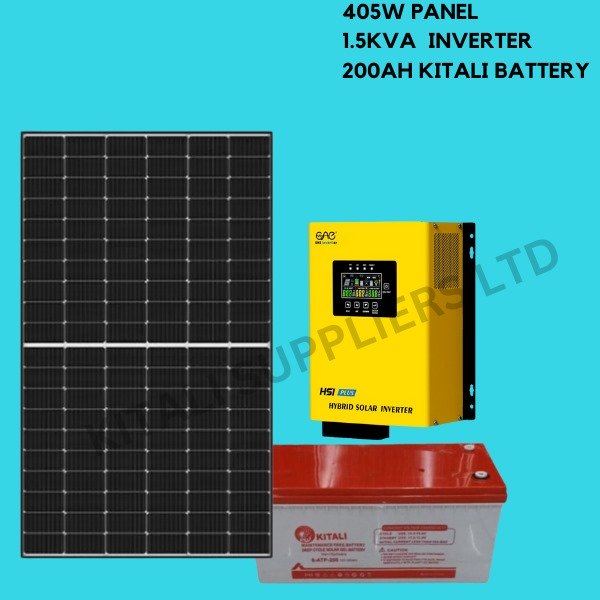
- Charge controller: It must handle the total array voltage and current. MPPT controllers are more flexible than PWM. The 100Ah Yachu Solar Power Kit with 300W Inverter, 30A Charge Controller includes a 30A charge controller in a kit, but check its limits before adding panels.
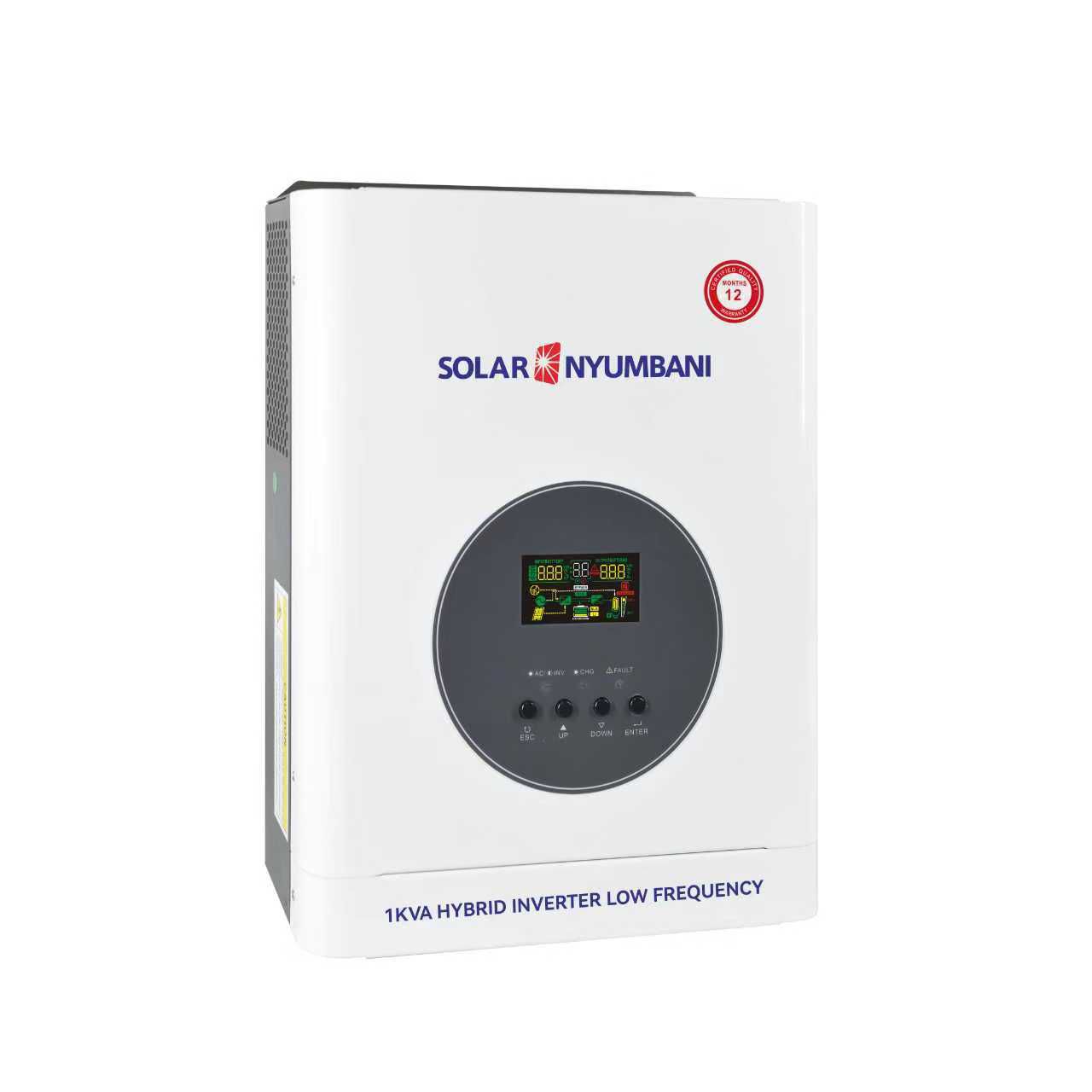
- Inverter input: The inverter must accept your battery bank voltage and the array's open-circuit voltage. The Must Hybrid Solar Power Inverter 3KVA 24V VHM MPPT 80A is a 3KVA hybrid inverter with a built-in MPPT 80A solar charger, suitable for larger systems.
- Battery bank voltage: A 12V battery bank needs panels and controllers configured for 12V charging, unless you use an MPPT controller that can step down higher voltage.
- Panel voltage and current: When mixing panels, connect panels with similar voltage and current in the same string. Mixing a 60W 18V panel with a 270W panel in the same string will drag down the larger panel.
If you are expanding an existing array, the safest approach is to add panels of the same model and age. If that is not possible, use a separate charge controller for the new panels, or consult an installer who can design a mixed configuration safely.
Common mistakes to avoid
- Buying panels before measuring your daily energy need.
- Ignoring shade from trees or buildings that will grow or change with seasons.
- Mixing panel types in one string without checking voltage and current.
- Forgetting that batteries, controller and inverter must match the array.
- Mounting panels flat on a hot roof without airflow.
Maintenance and safety
Clean panels every few months with water and a soft brush, early morning or evening when they are cool. Check mounting bolts and cable connections annually. For safety, switch off the array and controller before working on wiring. Use a qualified installer for battery connections and inverter setup. Never work on live DC cables.
Batteries need care too. A 100Ah deep-cycle battery such as the 100ah solarmax battery stores energy for night use, but it must be sized to your daily consumption and charged by a compatible controller. Lithium batteries like the Solarmax 12.8V 100Ah Lithium LiFePO4 Solar Battery offer longer life and faster charging, but they cost more upfront and need a compatible charger.
Making the decision
If your roof is small or you want the most power from limited space, choose monocrystalline panels. If you have a large roof and a tight budget, polycrystalline panels can be good value. In both cases, size your array to your actual energy need, plan for shade, and make sure the controller, inverter and batteries match. When in doubt, talk to an installer who can look at your roof and your appliances.
Frequently asked questions
Can I mix monocrystalline and polycrystalline panels on the same system?
It is possible but not ideal. Panels in the same string should have similar voltage and current; mixing types can reduce output. Use a separate charge controller for different panel types or consult an installer.
Which panel type is better for Kenyan heat?
Both lose some output in heat, but monocrystalline panels typically have a slightly lower temperature coefficient. Good ventilation behind the panels is more important than the cell type.
How many solar panels do I need for my house?
It depends on your daily energy use. Calculate your watt-hours, then divide by the panel's expected daily output (around 70–80% of rated wattage times sun hours). A 250W panel might give about 1kWh per day in good sun.
Products in this guide
- 60w Solar Panel 18v Monocrystalline Solar Panel
- 250w solar panel monocrystaline
- 270W Golden Solar Bifacial Solar Panel
- Premium Full-Black Monocrystalline Solar Panel
Prices and stock change often; open each product for today's price.

Author
Solar Africa
Related posts