


By Solar Africa On 16-11-2026 at 7:43 am
Adding Solar Panels to an Existing System in Kenya: Upgrade Guide
So you already have a small solar or backup system – maybe a few panels, a battery or two, and an inverter – and you want more power. Adding panels sounds like the obvious next step, but it is not always the first or the only one. This guide explains when extra panels help, when another component becomes the bottleneck, and how to spend your money in the right order.
What you need before you start
Get these facts on paper before buying anything. They prevent expensive mistakes.
- Existing panel details: wattage, number, voltage (e.g. 18V nominal or higher), type (monocrystalline/polycrystalline) and how they are wired (series or parallel).
- Charge controller rating: maximum solar input voltage and current (amps).
- Inverter rating: continuous watts and surge capacity, and whether it has a built-in solar charger (hybrid).
- Battery bank: voltage, amp-hours, type (lead-acid, gel, lithium) and age.
- Your goal: run more lights and a TV, or a fridge and pump? List the appliances showing their wattages and hours used.
When adding panels alone is enough
Panels alone can work if all three of these are true:
- The charge controller can handle the extra current and voltage.
- The battery bank can store the extra energy (or you use the power immediately during the day).
- Your inverter can already run the loads you want; you just want more run-time or faster battery charging.
For example, if your controller has headroom and your batteries are healthy, two extra panels can charge your bank faster on cloudy days and let you use more daytime power. But if your controller is already at its limit, extra panels will be wasted or even damaged.
When the inverter becomes the bottleneck
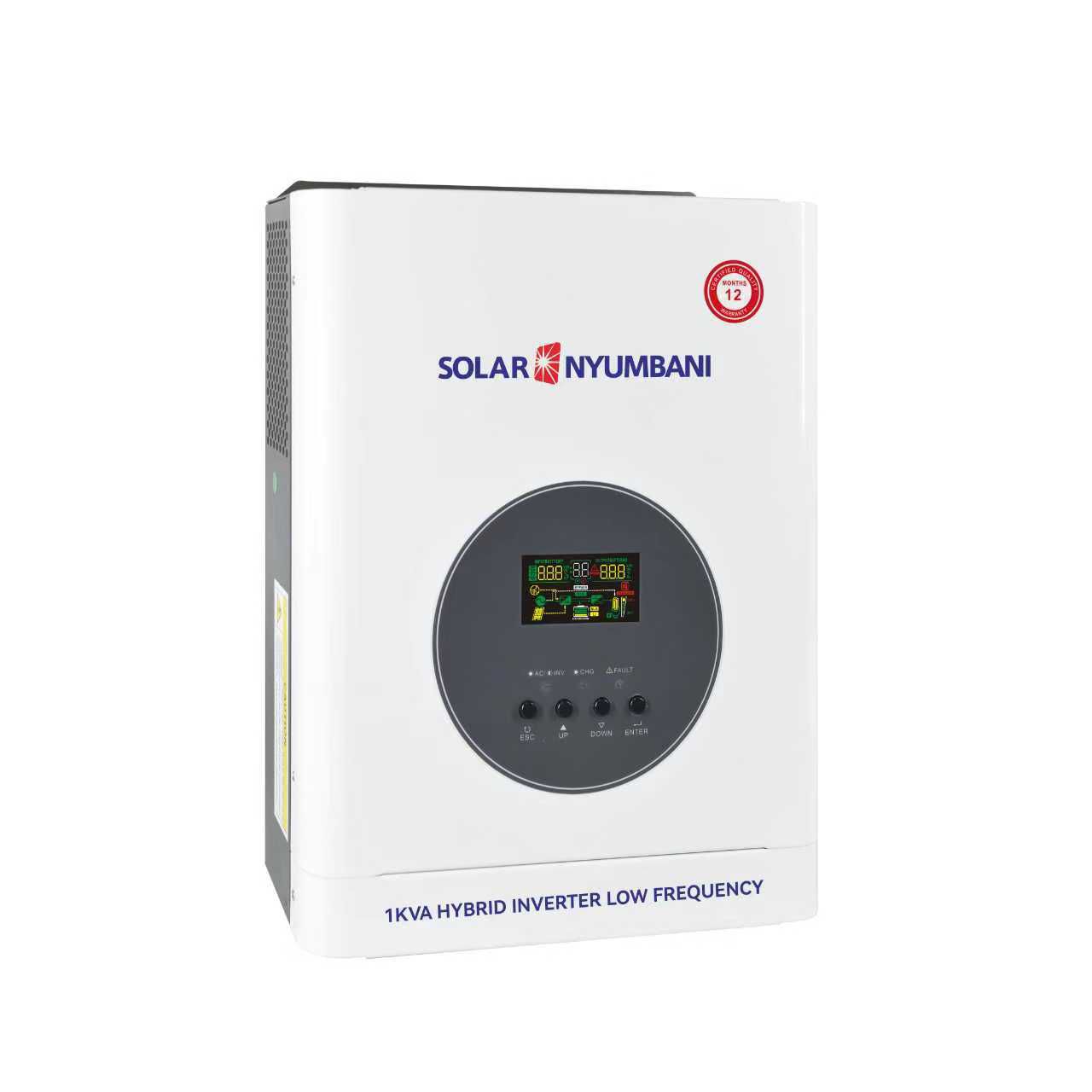
The inverter decides how much AC power you can draw at once. If you add a fridge or a pump, a small inverter will trip even with plenty of panels and batteries. Check its continuous rating. A 1KVA inverter can typically run lights, TV, fans and charging – not a kettle, iron or pump. Adding panels will not change that.
If you need more AC capacity, you may need a larger hybrid inverter. The Must Hybrid Solar Power Inverter 3KVA 24V VHM MPPT 80A is a 3KVA 24V hybrid with a built-in MPPT 80A solar charger, so it can take a larger panel array and run more appliances at once. If your needs are smaller – a few lights, TV and phone charging – the Nyumbani 1KVA Solar Hybrid Inverter is a 1KVA hybrid inverter suited to basic appliances. Remember: a bigger inverter may also need a higher-voltage battery bank (e.g. 24V) and larger cables.
When the charge controller is the bottleneck
The controller must accept the combined voltage and current of all panels. If it is a PWM type, it may only handle 12V/24V battery systems and limited amps. If it is MPPT, check its maximum PV input voltage and current. Adding panels in series raises voltage; in parallel raises current. Exceeding either limit can destroy the controller.
If you need a new controller, a hybrid inverter with a built-in MPPT can simplify things. The Must Hybrid Solar Power Inverter 3KVA 24V VHM MPPT 80A includes an 80A MPPT charger, so it replaces both inverter and controller. For small systems, a separate MPPT controller may be cheaper, but you must match it to your battery voltage and panel array.
When the battery bank is the bottleneck
Batteries store the energy. If your bank is small or old, extra panels will not give you more night-time power – the energy has nowhere to go. Lead-acid batteries also degrade; a five-year-old bank may hold little capacity. Before adding panels, test your batteries or check their age.
When you do need more storage, match the new battery to the old one: same type, voltage and approximate age. Mixing old and new lead-acid batteries is a common mistake – the old ones drag the new ones down. If your existing bank is due for replacement, consider lithium. The Solarmax 12.8V 100Ah Lithium LiFePO4 Solar Battery is a 12.8V 100Ah LiFePO4 battery – maintenance-free, deep-discharge capable and lighter than lead-acid. For lead-acid users, the 100ah solarmax battery is a 100Ah deep-cycle battery. You can add several in parallel to increase capacity, but keep the bank voltage the same as your inverter.
Matching new panels to existing ones
Panels in the same array should ideally be identical. If you cannot find the same model, match these as closely as possible:
- Voltage: nominal voltage and open-circuit voltage (Voc). Mixing 18V and 24V panels in series is not advisable.
- Current: panels in series are limited by the lowest current panel.
- Type: monocrystalline and polycrystalline can work together, but their voltage behaviour differs slightly.
- Orientation and shading: panels in the same string should face the same direction and have similar shade.
If you cannot match exactly, use a separate charge controller for the new panels. That keeps the arrays independent and avoids losses.
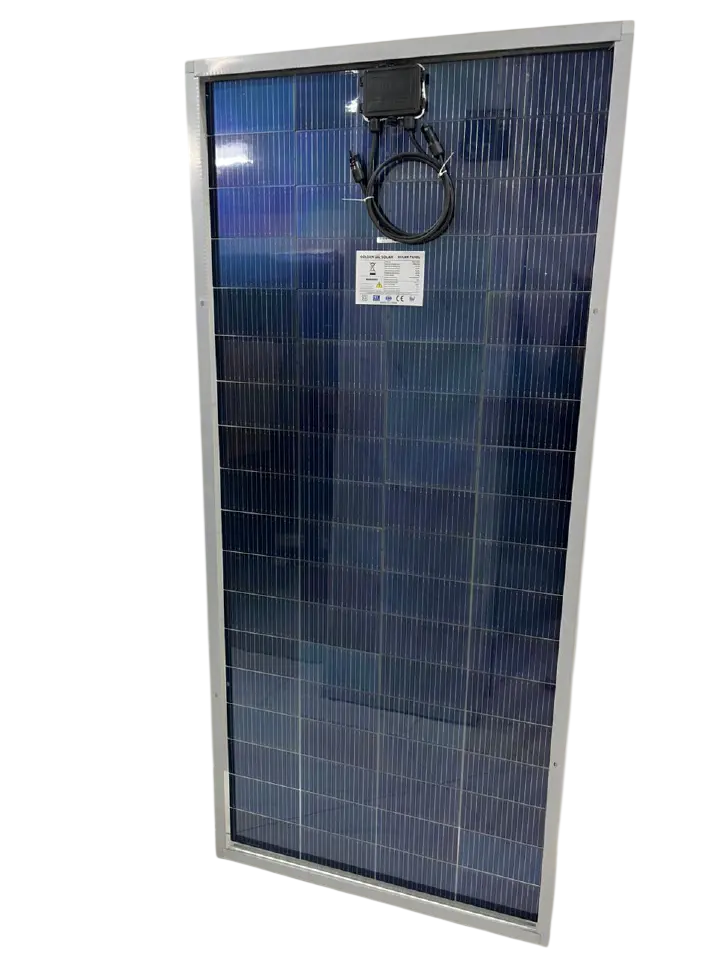
For small expansions, the 60w Solar Panel 18v Monocrystalline Solar Panel is a 60W 18V monocrystalline panel – useful for topping up a 12V system or adding a little daytime charging. For a larger array, the 270W Golden Solar Bifacial Solar Panel is a 270W bifacial monocrystalline panel with dual-glass construction; it can be used in off-grid or grid-tied systems. Do not mix a 60W panel and a 270W panel in the same series string – use separate controllers or separate arrays.
Order of upgrades to avoid wasting money
Follow this sequence. It is cheaper than replacing components twice.
- Measure and list loads. Know what you want to run.
- Check the battery bank. If it is old or too small, upgrade it first or at the same time as panels. Extra panels need somewhere to store energy.
- Check the charge controller. If it cannot handle more panels, upgrade it (or the inverter if hybrid) before adding panels.
- Check the inverter. If you need more AC power, upgrade it before adding large loads.
- Add panels last, matched to the controller and battery voltage.
This order prevents the frustrating situation where new panels are installed but the system still cannot run your fridge because the inverter is too small, or the batteries die early because the controller overcharged them.
What it costs to run
Solar panels have no fuel cost. The running costs are battery replacement and occasional cleaning. Lead-acid batteries typically last 3–5 years; lithium longer. A larger inverter may have a small standby draw – check the manual. If you add a lot of panels, you may also need thicker cables and a combiner box, which add to the install cost.
Maintenance and safety
Clean panels every few weeks in dry dusty seasons. Check connections for corrosion. Keep batteries in a ventilated space, away from sparks. Use fuses or circuit breakers between panels, controller, battery and inverter. If you are not confident with DC wiring, use a qualified technician – mistakes can cause fire or electric shock.
Quick sizing table (typical)
| Appliance | Typical wattage | What it means |
|---|---|---|
| LED bulb | 5–10W | Easy for any small inverter |
| TV | 50–100W | Fine on a 1KVA inverter |
| Fridge | 100–200W (surge higher) | Needs inverter with surge capacity and larger battery bank |
| Water pump (0.5HP) | ~370W | Needs inverter that can handle surge; a 300W inverter will not start it |
Use these as approximations only; check your appliance labels.
Adding panels is a good move only when the rest of the system can use the extra energy. Check the controller, battery and inverter first, then buy panels that match. That way every shilling goes to more power, not replacement parts.
Frequently asked questions
Can I just add more solar panels to my existing system without changing anything?
Only if your charge controller can handle the extra voltage and current, and your battery bank can store the energy. Otherwise the controller may be damaged or the extra panels wasted.
Will adding more solar panels increase my inverter's output?
No. The inverter's output rating is fixed. Panels only charge the batteries; if you need more AC power, you must upgrade the inverter to a larger model.
Can I mix different solar panels in one system?
It is best to use identical panels in the same array. If you cannot, keep different panels on separate charge controllers to avoid voltage and current mismatch losses.
Products in this guide
- Must Hybrid Solar Power Inverter 3KVA 24V VHM MPPT 80A
- Nyumbani 1KVA Solar Hybrid Inverter
- Solarmax 12.8V 100Ah Lithium LiFePO4 Solar Battery
- 100ah solarmax battery
Prices and stock change often; open each product for today's price.

Author
Solar Africa
Related posts