


By Solar Africa On 16-11-2026 at 7:50 am
How to Make Your Solar Battery Last Longer in Kenya
Your solar battery is the most expensive part of your system. Replace it too soon and you lose money. But with a few daily habits and regular checks, you can add years to its life. This guide explains what really kills batteries in Kenya and how to avoid it.
Why solar batteries die early
Most batteries fail for preventable reasons: they are left partially charged, discharged too deeply, kept in a hot room, or charged with the wrong equipment. In Kenya, heat and frequent power cuts make things worse. The good news is that you don't need to be an engineer to protect your battery.
What you need
Before you start, check you have:
- A clear idea of your battery type (lead-acid, gel or lithium).
- A charge controller or inverter with adjustable settings.
- A voltmeter or a battery monitor to read voltage.
- A cool, ventilated spot for the battery.
- For lead-acid: distilled water, a hydrometer (optional), and protective gloves.
- A notebook or phone to track voltage and maintenance dates.
- Safety gear: gloves and eye protection.
1. Charge correctly and fully
Partial charging is the silent killer. A lead-acid battery that never gets a full charge develops sulphate on its plates and loses capacity. Make sure your charge source is sized to replace what you use each day, plus about 20% extra for losses. In Kenya, you can expect roughly 4–5 peak sun hours on a good day; plan for less during the long rains.
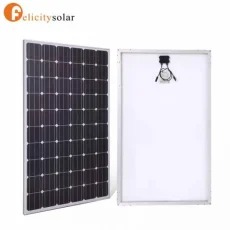
If your battery is often flat in the morning, you need more panel wattage or a smaller load. Adding panels is cheaper than replacing batteries. For a small 12V system, a 60W panel 60w Solar Panel 18v Monocrystalline Solar Panel might keep a single battery topped up, but if you run lights and a TV you'll need more. A larger panel like the 270W model 270W Golden Solar Bifacial Solar Panel can support a bigger bank and faster recharge.
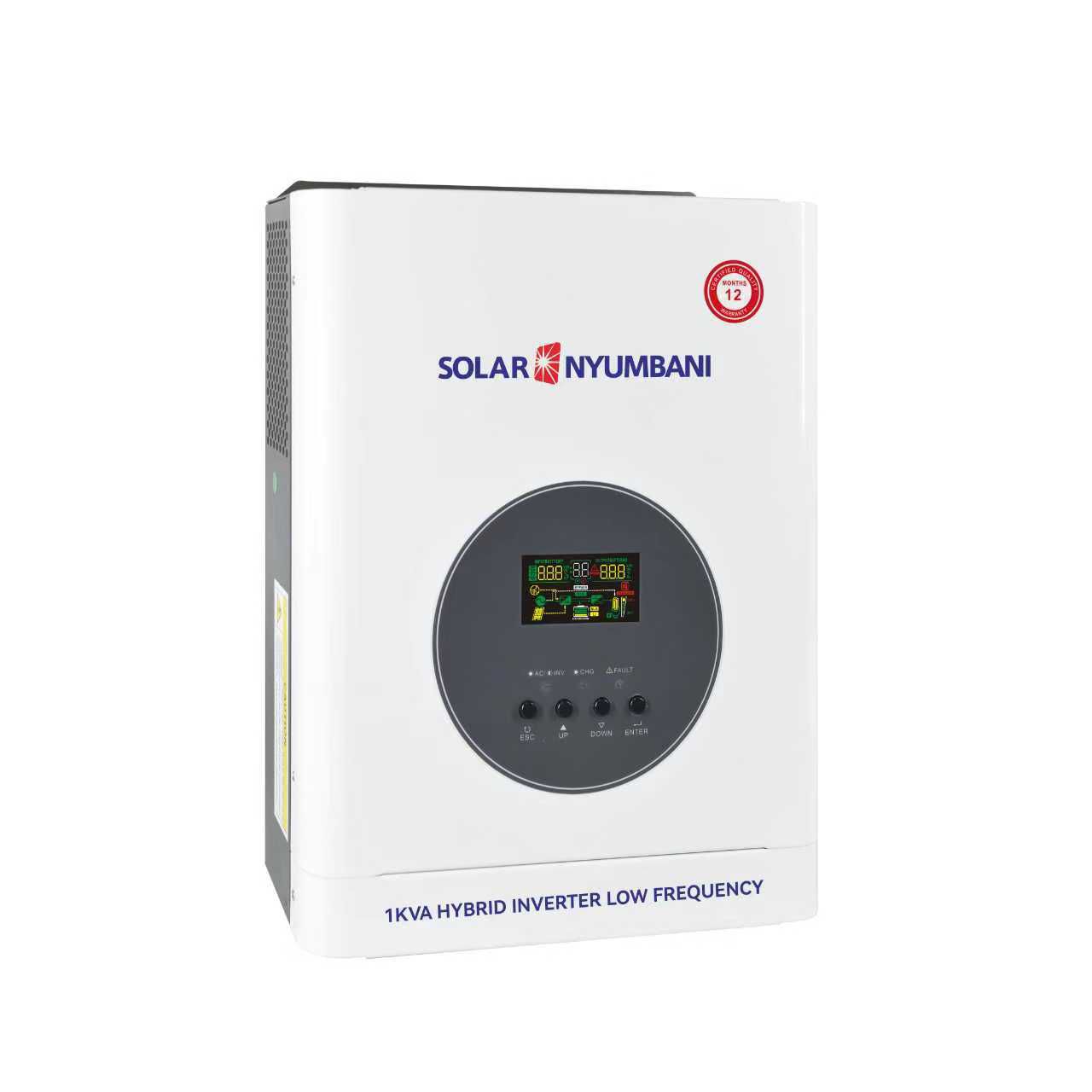
Your charger must match the battery chemistry. A cheap charger that overcharges or undercharges will cook your battery. A good hybrid inverter with adjustable charge settings, such as the 1KVA unit Nyumbani 1KVA Solar Hybrid Inverter, can properly manage charging for a small home. For larger systems, a 3KVA MPPT inverter Must Hybrid Solar Power Inverter 3KVA 24V VHM MPPT 80A gives you more control and efficiency.
2. Control depth of discharge
Every time you drain a battery, you use up part of its life. For lead-acid and gel, try not to go below 50% depth of discharge (DoD). Lithium can often go deeper, but even then, shallower cycles mean longer life. A simple rule: if your lights start dimming, you've gone too far. Size your battery bank so that your daily use is no more than half its capacity for lead-acid.
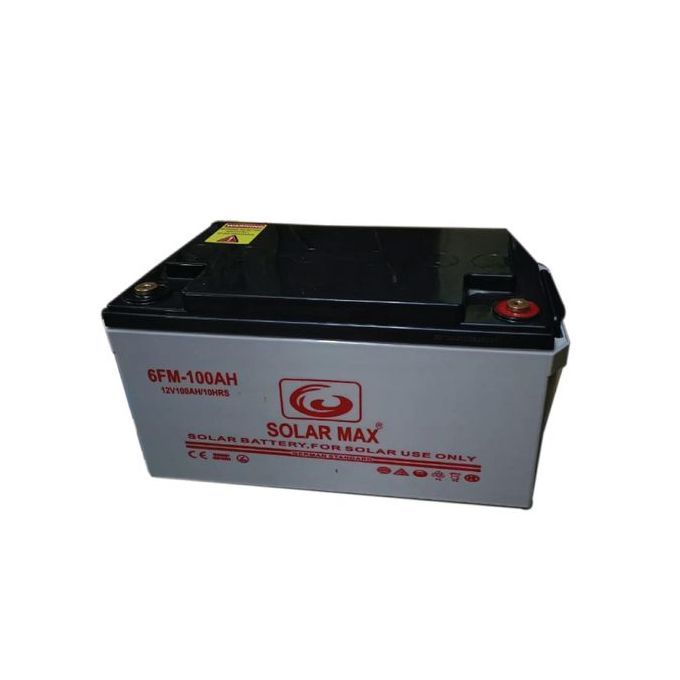
If you need more storage, consider a deep-cycle battery like the 12V 150Ah 12V 150Ah/10Hr Deep Cycle Solar Battery which is designed for cycling. For a maintenance-free option, a lithium battery such as the 12.8V 100Ah Solarmax 12.8V 100Ah Lithium LiFePO4 Solar Battery can handle deeper discharges and has a long cycle life.
3. Keep it cool and ventilated
Heat is a battery killer. For every 10°C above 25°C, lead-acid battery life roughly halves. In Kenya, avoid placing batteries in direct sun or in a hot metal box. Choose a shaded, well-ventilated spot. Lithium batteries also dislike heat, so keep them away from sunny walls. A simple ventilated cabinet or a shaded corner of the house works.
4. Terminal and water care (lead-acid and gel)
For flooded lead-acid, check the water level every month. Top up with distilled water only, just above the plates. Don't overfill. Clean terminals with a baking soda solution and a brush, then dry and apply a thin layer of petroleum jelly to prevent corrosion. Check that connections are tight. For gel batteries, you cannot add water, so focus on keeping terminals clean and avoiding overcharging, which can dry out the gel.
5. Avoid cheap chargers and undersized panels
A cheap charger may not have the right voltage setpoints and can overcharge or undercharge. An undersized panel will leave your battery chronically partial, which is just as bad. Spending a little more on a proper charge controller or inverter with good settings will save you the cost of a new battery. The same goes for panels: a 60W panel may be fine for a small lighting kit, but for a 100Ah battery you'll want at least 200W of panels in good sun.
6. Watch for warning signs
- Battery gets hot to the touch during charging.
- Lights dim quickly after sunset.
- Water in lead-acid cells drops fast (a sign of overcharging).
- White or green crust on terminals.
- Swollen case (especially lithium).
- Voltage drops faster than usual under load.
Act early: check charging settings, clean terminals, and reduce loads. If the battery is old and no longer holds charge, plan a replacement before it fails completely.
7. Pair batteries with the right inverter and enough panels
A mismatched inverter can kill a battery. Make sure the inverter's charge current and voltage are compatible with your battery. For a small home, a 1KVA hybrid inverter Nyumbani 1KVA Solar Hybrid Inverter is suitable for basic appliances like lights, TV, and fans. It will not run a pump or a fridge. For larger loads, you need a bigger inverter. Also ensure your panel wattage can recharge the battery in a day. A typical 100Ah lead-acid battery needs about 300–400W of panels to recover from 50% DoD in a day with 4 sun hours. Use this rough table:
| Battery capacity | Typical daily energy available (50% DoD) | Suggested minimum panel wattage (12V system) |
|---|---|---|
| 100Ah | ~600Wh | 200–300W |
| 150Ah | ~900Wh | 300–450W |
| 200Ah | ~1200Wh | 400–600W |
These are rough guides; actual needs depend on your load and sunshine hours.
8. Maintenance routine
Keep a simple log. Every month: check voltage, clean terminals, check water (for lead-acid), and inspect for corrosion. Every three months: equalise charge for flooded lead-acid (if your charger has that setting) and check torque on connections. Annually: have a professional test the battery's capacity. For lithium, maintenance is minimal—just keep it cool and avoid deep discharges.
9. Safety first
Batteries store a lot of energy. Always wear gloves and eye protection when working near them. Remove metal jewellery. Avoid sparks near lead-acid batteries because they can release explosive hydrogen gas. Use insulated tools. If you are not confident, hire a qualified technician.
By following these habits, you can get several extra years from your battery. It's mostly common sense: charge fully, don't drain too deep, keep it cool, and keep it clean. Your battery will thank you with reliable power and a longer life.
Frequently asked questions
How can I make my solar battery last longer?
Charge it fully every day, avoid discharging below 50% (for lead-acid), keep it cool and ventilated, clean the terminals regularly, and use a proper charge controller or inverter with adjustable settings.
Why does my solar battery keep dying?
Common causes are chronic undercharging (too small a panel or too much load), deep discharges, high heat, poor connections, and using a cheap charger that overcharges or undercharges.
How often should I check my solar battery water?
For flooded lead-acid batteries, check water levels every month and top up with distilled water only. Gel and lithium batteries do not need water.
Products in this guide
- 60w Solar Panel 18v Monocrystalline Solar Panel
- 270W Golden Solar Bifacial Solar Panel
- Nyumbani 1KVA Solar Hybrid Inverter
- Must Hybrid Solar Power Inverter 3KVA 24V VHM MPPT 80A
Prices and stock change often; open each product for today's price.

Author
Solar Africa
Related posts