


By Solar Africa On 16-11-2026 at 7:53 am
Inverter and Battery Setup for Home Backup in Kenya
Why you need a backup power setup
Kenyan homes and small businesses know the frustration of frequent blackouts. A backup power system keeps your lights on, your fridge cold and your business running. This guide explains how to set up an inverter and battery system that suits your needs and budget.
What you need
Before you shop, make a list:
- Inverter – converts battery DC power to AC power for your appliances.
- Battery – stores energy for use during outages.
- Charger – either built into the inverter or a separate solar charge controller if you plan to use solar panels.
- Cables and fuses – for safe connection between battery and inverter.
- Proper installation – ideally by a qualified technician.
How an inverter and battery setup works
The inverter takes 12V (or 24V) DC from the battery and converts it to 230V AC, which powers your appliances. When the grid is on, the inverter also charges the battery. When the grid fails, the inverter automatically switches to battery power. If you have solar panels, they can charge the battery during the day, reducing reliance on the grid.
Sizing your system
To choose the right inverter and battery, you need to know two things: the total wattage of appliances you want to run at the same time, and how long you need them to run.
Step 1: List your appliances and their wattages. Typical wattages are: LED bulb 10W, fan 75W, TV 100W, laptop 50W, fridge 150W (running) but start-up surge can be 3–5 times that. Add up the watts of everything you want on at once.
Step 2: Choose an inverter that can handle the total wattage. Inverters are rated in VA or W. For safety, pick an inverter with a continuous rating at least 20–30% higher than your total load, and check its surge capacity for motor-driven appliances like fridges and pumps.
Step 3: Size the battery. Battery capacity is measured in amp-hours (Ah). To find the required Ah, use this formula: (Total watts × hours of backup) ÷ battery voltage. For example, if you need 300W for 4 hours and use a 12V battery: (300×4)÷12 = 100Ah. Remember that lead-acid batteries should not be discharged below 50% to prolong life, so double the calculated Ah if using lead-acid. Lithium batteries can be discharged deeper, often 80–90%.
Here's a simple comparison of battery types:
| Battery type | Depth of discharge | Lifespan | Maintenance |
|---|---|---|---|
| Lead-acid (deep cycle) | ~50% | 3–5 years | Needs water top-up |
| Lithium LiFePO4 | 80–90% | 8–10 years | Maintenance-free |
Choosing an inverter
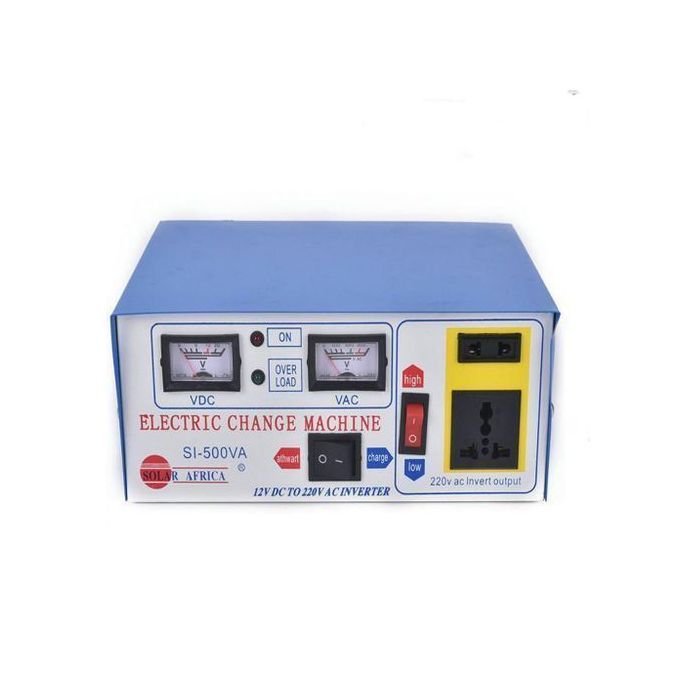
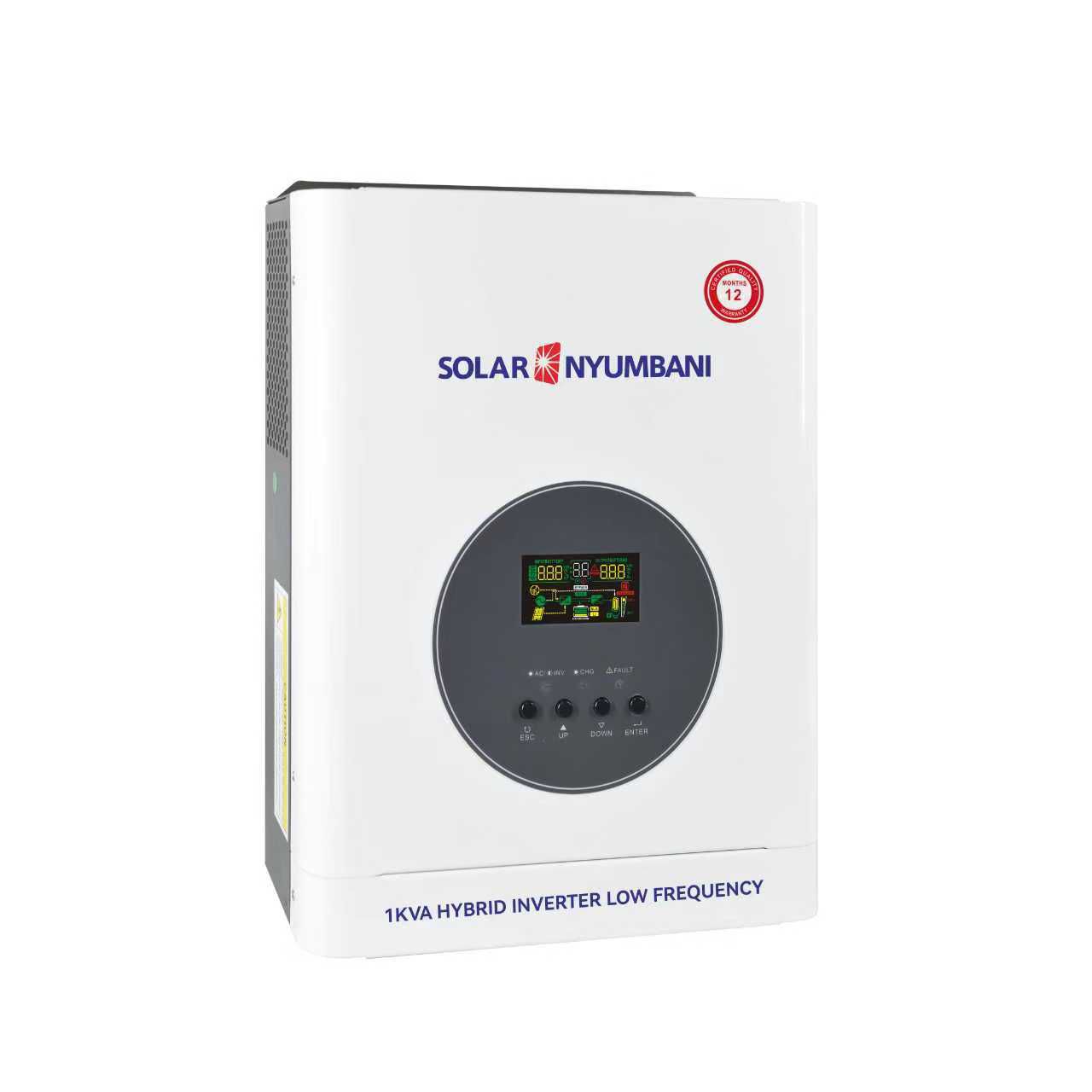
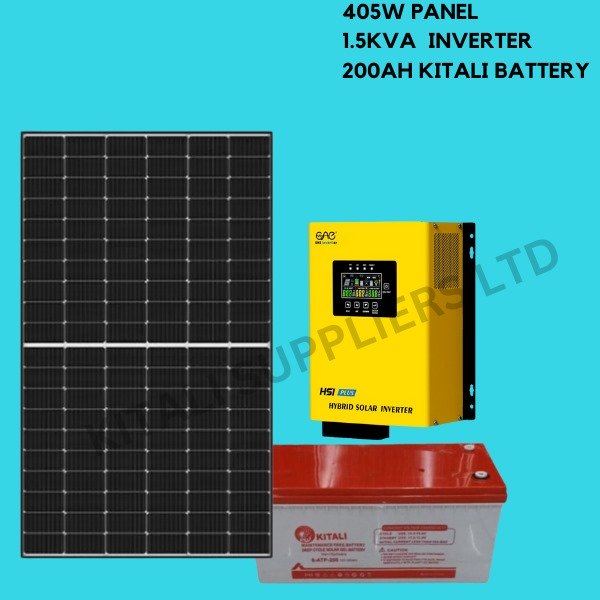
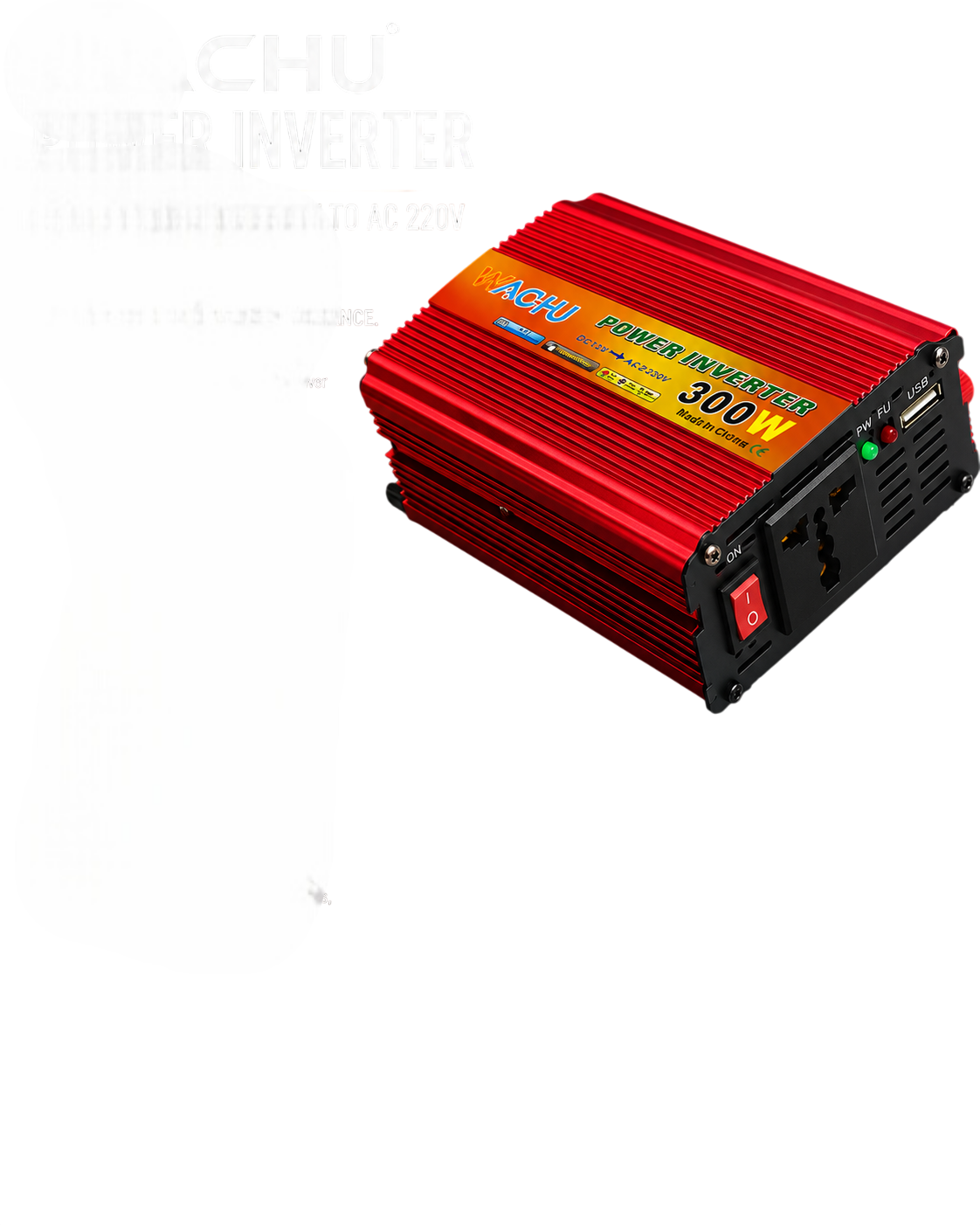
For small loads like lights, TV, fans and phone charging, a 300W pure sine wave inverter like the Pure Sine Wave 300W Power Inverter is sufficient. It converts 12V DC to 230V AC and is safe for sensitive electronics. For a small home or shop with a fridge and a few more appliances, a 1KVA hybrid inverter such as the Nyumbani 1KVA Solar Hybrid Inverter offers seamless backup and can integrate solar. For larger homes with boreholes or many appliances, a 3KVA 24V hybrid inverter like the Must Hybrid Solar Power Inverter 3KVA 24V VHM MPPT 80A provides more power and built-in MPPT solar charging.
Choosing a battery
Battery choice depends on budget and usage. A 12V 150Ah deep cycle battery like the 12V 150Ah/10Hr Deep Cycle Solar Battery is a cost-effective option for moderate backup, but it requires careful discharge management. Lithium batteries, such as the Solarmax 12.8V 100Ah Lithium LiFePO4 Solar Battery (12.8V 100Ah) or the YACHU 100Ah 12.8V Lithium Battery (100Ah with Smart BMS), offer longer life, faster charging and deeper discharge, making them a better long-term investment despite higher upfront cost.
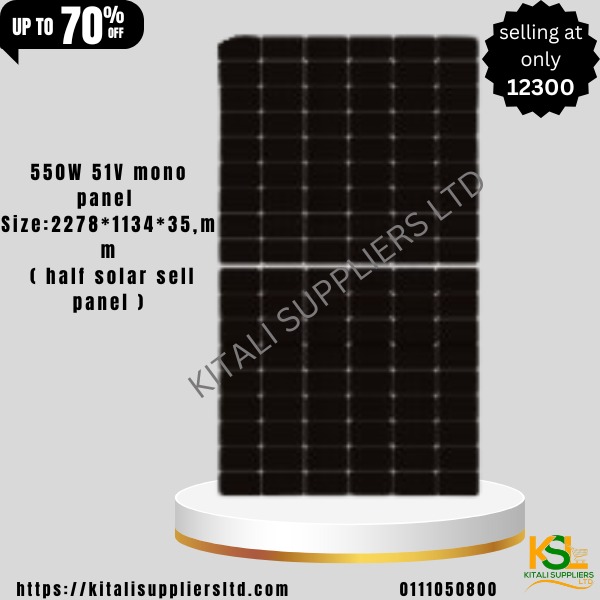
If you want to recharge with solar, add a solar panel. A 270W panel like the 270W Golden Solar Bifacial Solar Panel can keep a 12V battery topped up, especially in sunny Kenyan conditions (typically 4–5 peak sun hours per day).
What it costs to run
The running cost of a backup system depends on how you charge the battery. If you charge from the grid, you pay for the electricity used, typically a few shillings per charge cycle. If you use solar, the running cost is essentially zero after installation. Maintenance costs are low for lithium batteries; lead-acid batteries may need periodic water top-ups and replacement every few years.
Common mistakes to avoid
- Undersizing the inverter – it will trip or fail under load. Always account for surge watts of fridges and pumps.
- Using a modified sine wave inverter – it can damage sensitive electronics. Choose pure sine wave for safety.
- Discharging lead-acid batteries too deeply – it shortens their life. Use a low-voltage disconnect or monitor carefully.
- Poor ventilation – inverters and batteries need space to dissipate heat.
- Unsafe wiring – use proper cable sizes and fuses; bad connections cause fires.
Maintenance and safety
Keep the battery terminals clean and tight. For lead-acid batteries, check water levels monthly and top up with distilled water if needed. Ensure the inverter is in a dry, well-ventilated area away from flammable materials. Never cover the inverter while running. Use fuses on all battery connections. If you smell rotten eggs (sulphur) from a lead-acid battery, it is overcharging – disconnect and seek help. Always have a qualified technician install and service your system.
With the right sizing and care, an inverter and battery setup can give you reliable backup power for years.
Frequently asked questions
How many watts inverter do I need for my home in Kenya?
Add up the wattage of appliances you want to run at once, then choose an inverter with at least 20–30% higher continuous rating. For a few lights and a TV, 300W may suffice; for a fridge and more, 1KVA or higher is better.
Which battery is better for backup power in Kenya: lead-acid or lithium?
Lithium batteries last longer, charge faster and can be discharged deeper, but cost more upfront. Lead-acid is cheaper initially but requires more maintenance and replacement sooner.
How long will a 100Ah battery last during a blackout?
It depends on your load. For example, a 100Ah 12V battery can run a 100W load for about 10 hours (if fully discharged), but with lead-acid you should only use half, so about 5 hours. Lithium can be used deeper, giving closer to 9–10 hours.
Products in this guide
- Pure Sine Wave 300W Power Inverter
- Nyumbani 1KVA Solar Hybrid Inverter
- Must Hybrid Solar Power Inverter 3KVA 24V VHM MPPT 80A
- 12V 150Ah/10Hr Deep Cycle Solar Battery
Prices and stock change often; open each product for today's price.

Author
Solar Africa
Related posts