


By Solar Africa On 17-11-2026 at 7:24 am
CCTV That Works During Power Cuts in Kenya
Most CCTV systems in Kenya fail at exactly the moment you need them: when the power goes off. The cameras are fine, the recorder is fine, but the plug socket is dead and the router is silent. Keeping a CCTV system running through a blackout is neither complicated nor expensive. It comes down to three things: giving the recorder and cameras their own small power supply, saving footage locally rather than only in the cloud, and installing everything sensibly.
Why a normal CCTV setup dies in a blackout
A typical kit has three power needs: the cameras (usually 12V), the recorder (NVR or DVR), and the router for remote viewing. All three sit on the mains, so when KPLC power drops, everything stops at once — recording included.
Home internet adds a second failure. Many systems send footage to a cloud service; if the router has no power or the line is down, cloud-only recording simply stops, leaving a gap exactly where you needed evidence.
What you need
- A small inverter sized to your recorder, cameras and router — not the whole house.
- A 12V battery sized to how long outages usually last in your area.
- Local storage — a recorder with a hard drive, or cameras with memory cards.
- A charging source: the mains when it is on, or a small solar panel where the grid is unreliable.
- Safe siting and cabling: cameras under eaves, cables in conduit, the battery somewhere dry and ventilated.
How a backup setup actually works
You are building a tiny separate circuit for the CCTV only. The inverter takes 12V from a battery and produces ordinary 230V mains power for the recorder, cameras and router. The battery is charged from the mains through a charger or charge controller while power is on, and quietly takes over when it goes off.
Because the load is small, the battery lasts a long time. And because the CCTV is isolated from the rest of the house, it keeps running even when everything else is off.
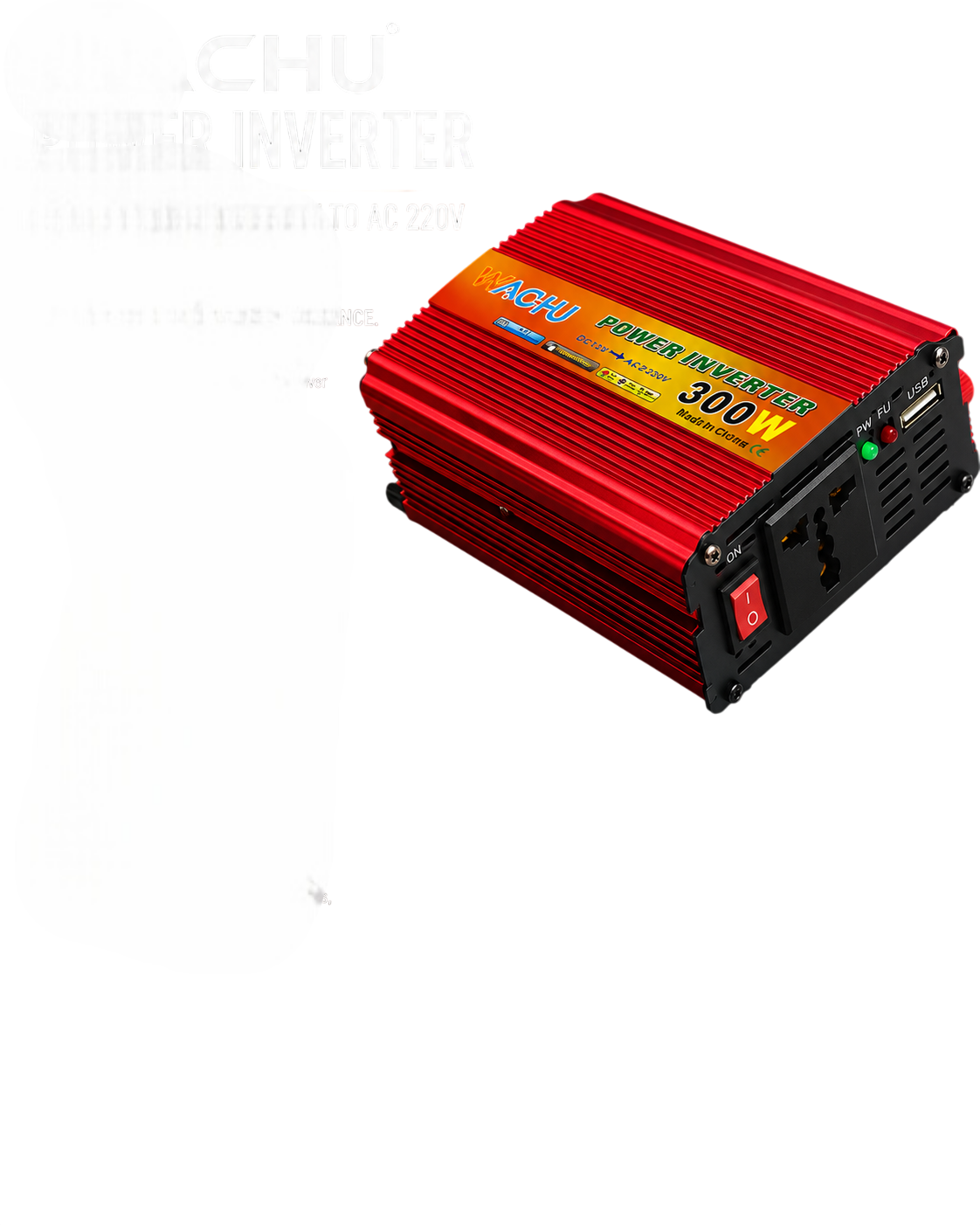
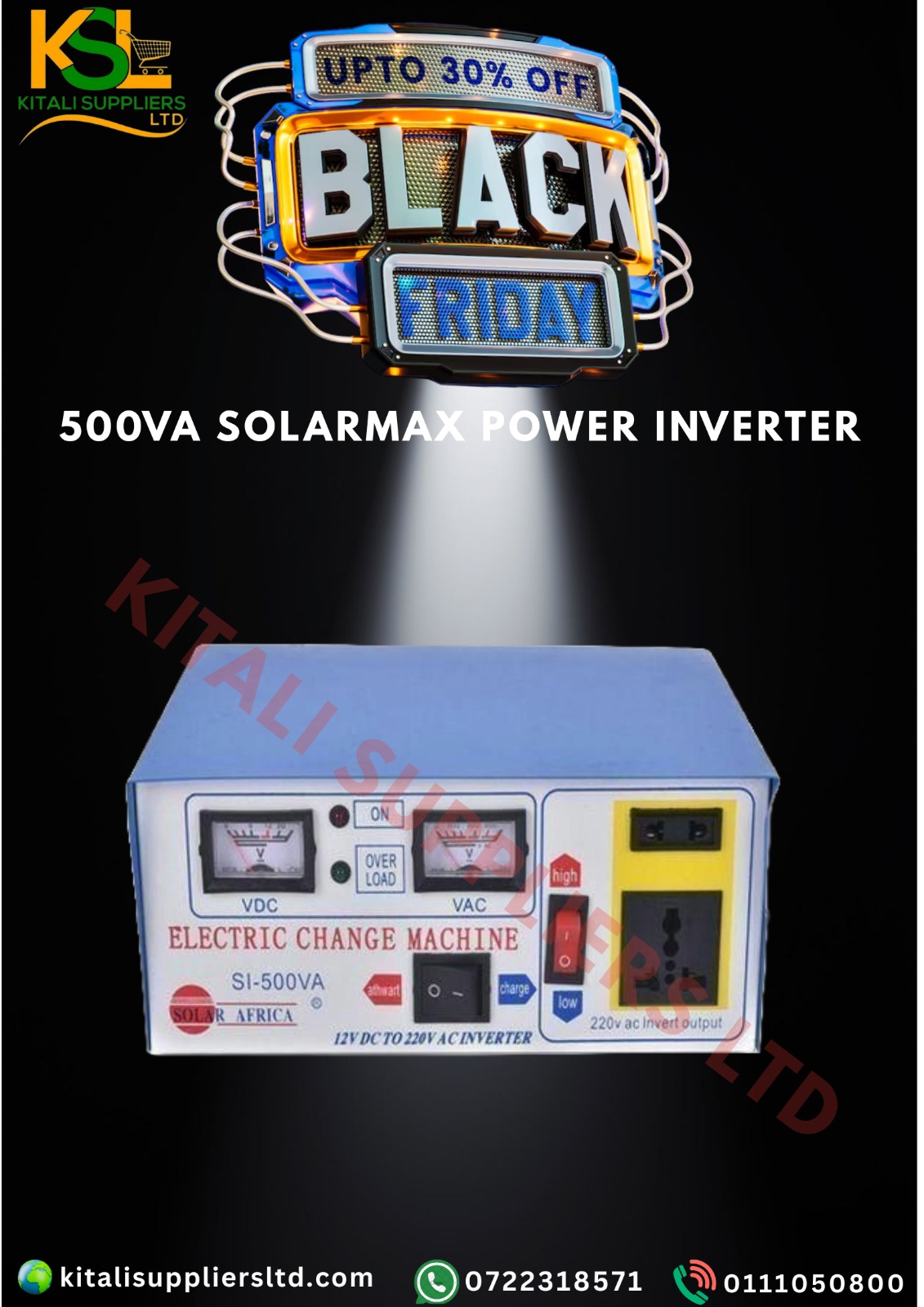
For a small system, the Solarmax 500VA 12V Modified Sine Wave Power Inverter is a reasonable fit: roughly 300W of usable output from a 12V battery, which is plenty for a recorder, a few cameras and a router. If your equipment is sensitive or you plan to add a monitor or laptop, the Pure Sine Wave 300W Power Inverter gives cleaner pure sine wave output and is easier on electronics.
One caution: neither of these small inverters will start a water pump, fridge or anything with a motor. They are for electronics only.
Sizing the battery to your outage
Do a rough count of the watts your CCTV draws. Typical figures: a compact NVR around 10–30W, each camera around 5–10W, and a router about 10–15W. A four-camera system with recorder and router usually lands around 50–80W in total. Treat these as approximate and check your own labels.
Then divide the battery's watt-hours by the load. A 12V 100Ah battery holds roughly 1,200Wh in theory, but aim to use only about half so the battery lasts. That gives around 600Wh of usable energy — comfortably 8–12 hours on a 60W load. A 12V 9Ah battery holds about 108Wh, roughly 50Wh usable, which is under an hour for the same system. That is a good size for a burglar alarm or a single camera, not a whole setup.
| Load (approx.) | Battery | Typical runtime |
|---|---|---|
| 50–80W (4 cameras + NVR + router) | 12V 100Ah | 8–12 hours |
| 50–80W | 12V 9Ah | Under 1 hour |
| Single camera + small recorder | 12V 9Ah | 1–2 hours |
For most homes and shops, a 100Ah deep-cycle battery is the sensible middle ground. The Solarmax 6FM-100AH 12V Gel Deep Cycle Battery is a maintenance-free gel deep-cycle battery suited to this kind of standby work.
Local recording beats cloud-only
Whatever backup you build, make sure footage is saved on the premises. A recorder with an internal hard drive, or cameras that write to a memory card, keep recording even when the internet is down. Cloud viewing is a convenience, not a storage plan.
If you are starting from scratch, the Complete Set 8PCS Turbo HD 1080P 2MP CCTV Security Camera System with is an eight-camera 1080P system with recording and connection accessories included, which suits a shop, compound or small business. Pair that with a small inverter and battery and the system keeps recording through most outages.
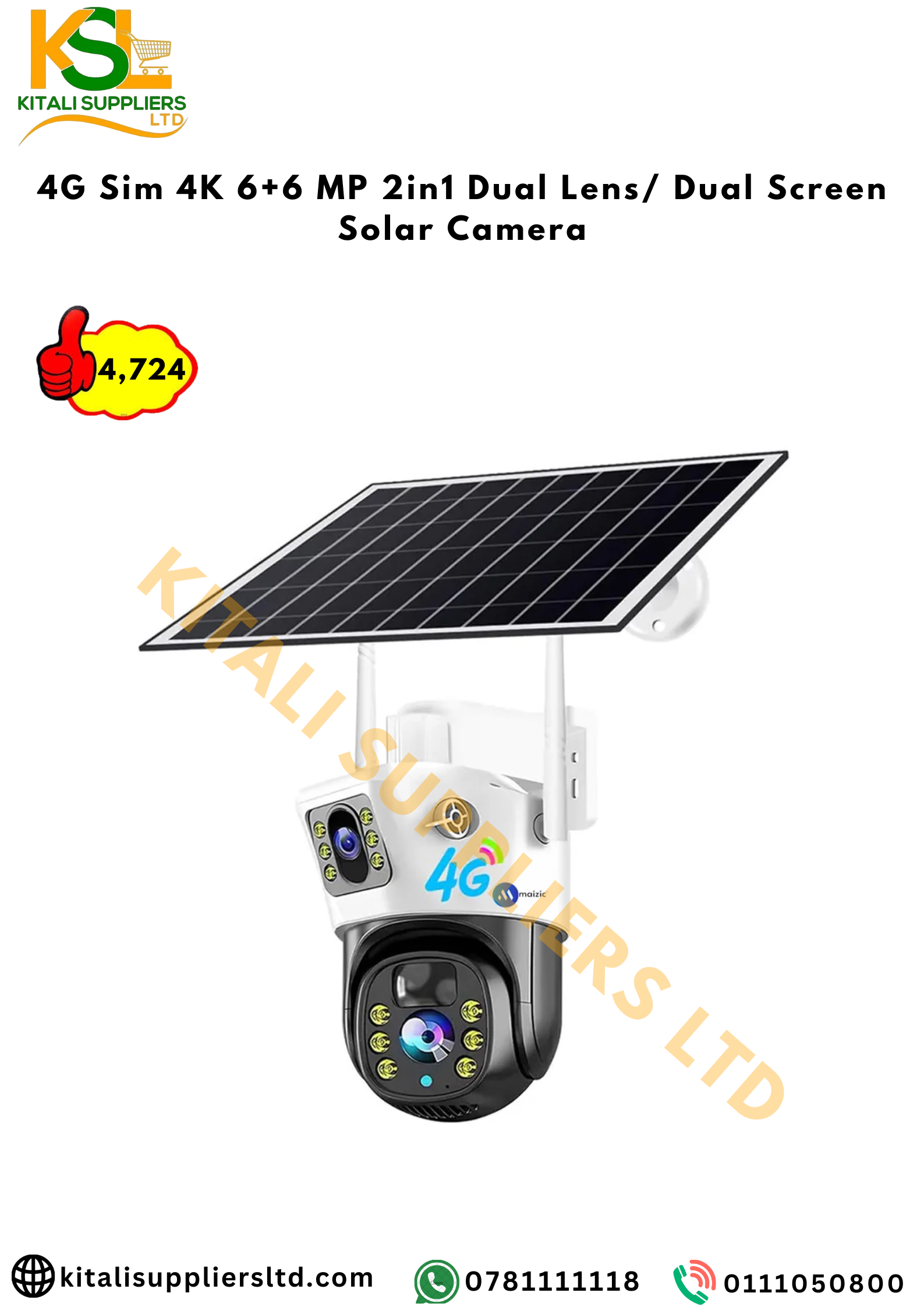
For sites without reliable power or internet at all — a farm, a plot, a construction site — the 4G Solar CCTV Camera works on solar power with dual WiFi and SIM connectivity and includes two 128GB memory cards for local storage, so it does not depend on your home router.
Common mistakes
- Backing up the router but not the recorder. You get remote viewing of a system that is not recording. Power the recorder first.
- Buying a tiny battery for a big system. A 9Ah battery and a four-camera setup is an hour of footage at best.
- Running the inverter on heavy appliances. Kettles, irons and fridges will trip it or drain the battery in minutes.
- Cloud-only settings. If the recorder has no drive or the drive is full, motion events are all you keep.
- Loose wiring. A backup circuit on an extension lead gets unplugged by the first person sweeping the floor.
Maintenance and safety
Check the system monthly: unplug the mains for ten minutes and confirm the recorder keeps recording and the remote view still works. Check battery terminals for corrosion and keep them tight. Most sealed batteries need no topping up, but they dislike heat, so keep them out of direct sun.
Place the inverter and battery on a shelf, dry and ventilated, away from water and anything flammable. Fuse or breaker the battery cable close to the battery, and keep the inverter's output on its own small circuit or a clearly labelled socket. Do not daisy-chain extension leads. If you are not confident with 12V wiring, have an electrician make the final connections.
Finally, tidy the outside. Cameras under eaves last longer than cameras in the rain, cables in conduit survive rats and gardeners, and a camera nobody can reach is a camera nobody can blind with a cloth. The backup power keeps the system alive; sensible siting keeps it useful.
Frequently asked questions
How long will a CCTV system run on a 100Ah battery during a power cut?
A typical four-camera system with recorder and router draws roughly 50–80W, so a 12V 100Ah battery gives about 8–12 hours if you use only half its capacity. Smaller systems last longer; add up your own equipment's wattage for a better estimate.
Can my CCTV keep recording if the internet goes down?
Yes, as long as it records locally to a hard drive or memory card. Internet is only needed for remote viewing on your phone. Cloud-only setups stop when the line drops, so local storage is the safer choice.
What size inverter do I need for CCTV in Kenya?
A small 300W-class inverter is normally enough for a recorder, several cameras and a router. Add up the wattages on the labels and leave some headroom, and keep heavy appliances like kettles and fridges off the same inverter.
Products in this guide
- Solarmax 500VA 12V Modified Sine Wave Power Inverter
- Pure Sine Wave 300W Power Inverter
- Solarmax 6FM-100AH 12V Gel Deep Cycle Battery
- Complete Set 8PCS Turbo HD 1080P 2MP CCTV Security Camera System with
Prices and stock change often; open each product for today's price.

Author
Solar Africa
Related posts