


By Solar Africa On 16-11-2026 at 7:51 am
Partial Off-Grid Solar in Kenya: Keep KPLC as Backup
Many Kenyan households want to cut electricity bills and ride out blackouts without abandoning KPLC entirely. The good news is that you don't need a huge system to make a difference. By running your essentials on solar and letting the grid handle the heavy loads, you can save money and enjoy peace of mind.
What you need
- A clear idea of what you want to power (lights, TV, fridge, phone charging).
- A small solar panel or kit, a battery, and an inverter (or an all-in-one hybrid inverter).
- A changeover switch or a hybrid inverter with built-in grid support.
- Basic tools and a safe, ventilated place for the battery.
- A willingness to start small and grow later.
Work out what your essentials actually draw
Before buying anything, list your essential appliances and estimate their power use. A typical LED bulb uses about 5–10W, a phone charger about 5–10W, a TV around 100W, and a fridge around 150–200W when running (though it cycles on and off). These are approximate figures; check the labels on your own appliances.
Next, estimate how many hours each runs per day. For example:
| Appliance | Typical power (W) | Hours per day | Daily energy (Wh) |
|---|---|---|---|
| 5 LED bulbs | 10 each (50 total) | 5 | 250 |
| TV | 100 | 4 | 400 |
| Fridge | 200 (compressor cycling) | 8 (effective) | 1600 |
| Phone charging | 10 | 2 | 20 |
| Total | 2270 Wh |
This total is your daily energy need in watt-hours (Wh). Divide by 1000 to get kilowatt-hours (kWh): about 2.3 kWh per day. Your fridge is likely the biggest load, so it pays to have an efficient model.
Size the solar kit and battery
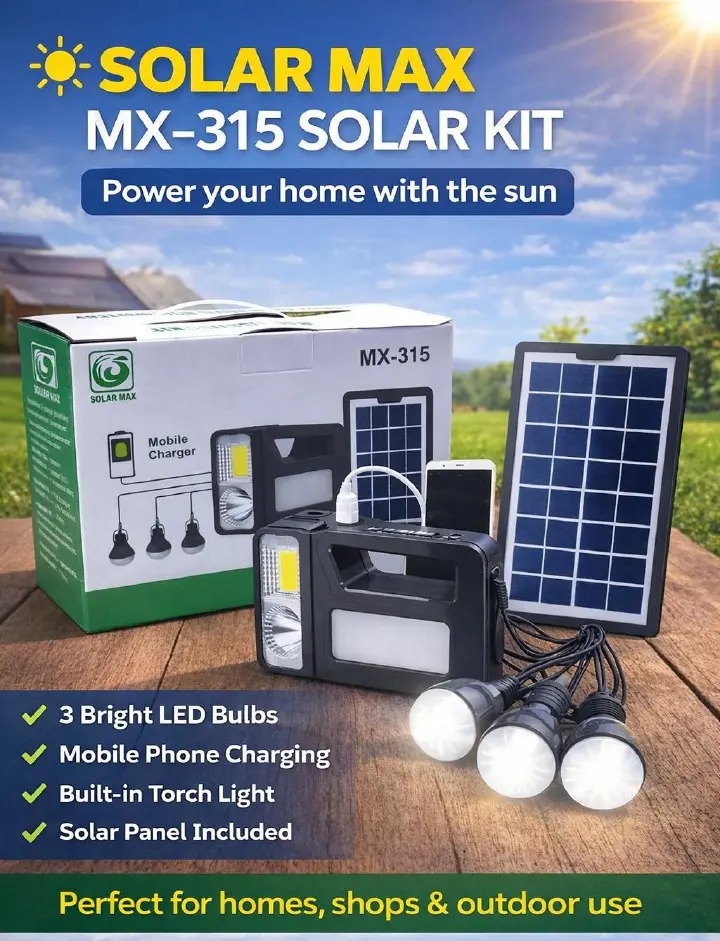
Solar panels in Kenya receive roughly 4–5 peak sun hours per day on average. To generate 2.3 kWh, you need a panel array of about 2300Wh ÷ 4.5h ≈ 510W. Round up to 600W for safety. A small kit like the Solarmax MX-315 Solar Kit provides a basic lighting solution with its own panel and battery, but it is not designed to run a fridge or TV.
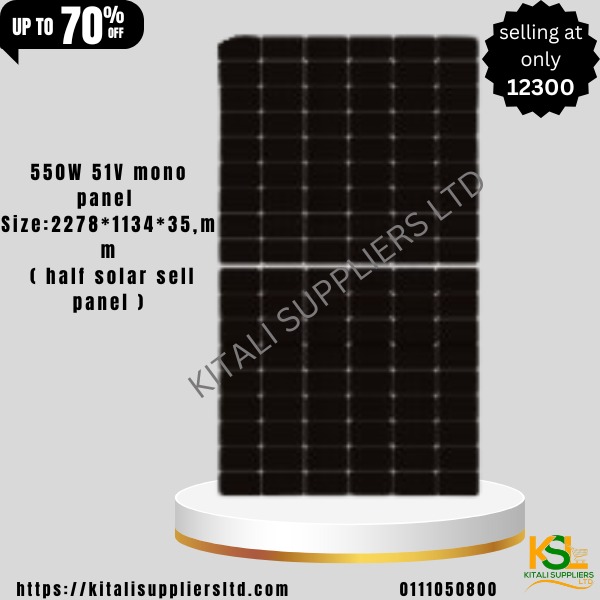
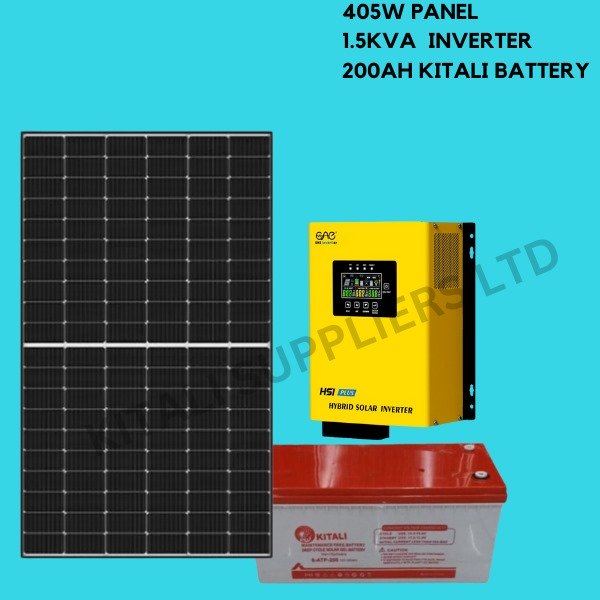
For a fridge and TV, you need a more capable system. The 3.3kW Advanced Solar Power System includes 3.3kW of panels, a 3kVA hybrid inverter, and lithium batteries. That is more than enough for essentials and can even handle some heavy loads. A smaller option is the 550W Solar Panel + 3KVA Hybrid Inverter + 2×200Ah Batteries Complete with a 550W panel, 3kVA inverter, and two 200Ah batteries—suitable for lights, TV, and a fridge if managed carefully.
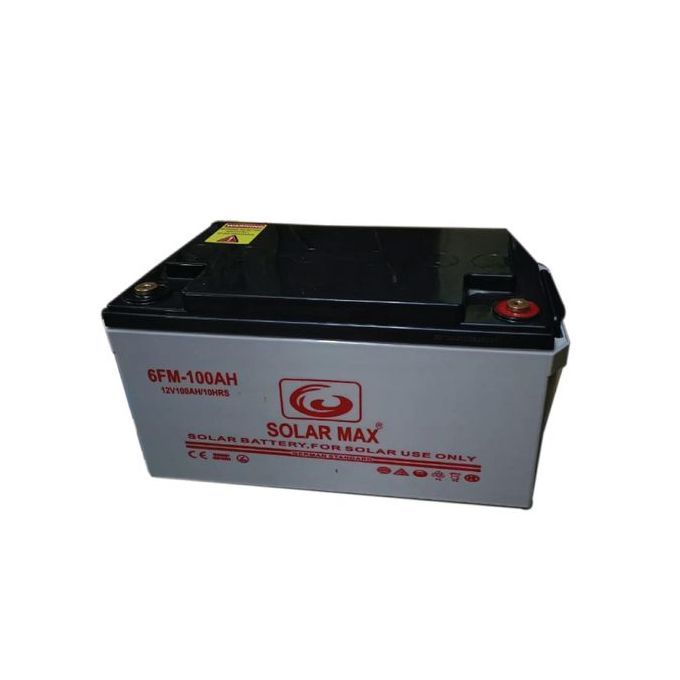
Battery capacity: To run your essentials through the evening and night (say 12 hours), you need a battery that can store at least half your daily energy. For 2.3 kWh, that's about 1.15 kWh usable. Lead-acid batteries should not be discharged below 50%, so you'd need about 2.4 kWh of lead-acid capacity. Lithium batteries can be discharged deeper. A 100Ah 12V battery stores about 1.2 kWh; two give 2.4 kWh. The 100ah solarmax battery is a 100Ah deep-cycle battery that can be paired with others to increase storage.
How the changeover works
You have two main options: a manual changeover switch or a hybrid inverter. A manual switch lets you flip between grid and solar, but you must be careful not to overload the solar system. A hybrid inverter automates the process: it prioritises solar, uses battery when solar is low, and falls back to grid when needed. It also charges the battery from the grid if solar is insufficient.
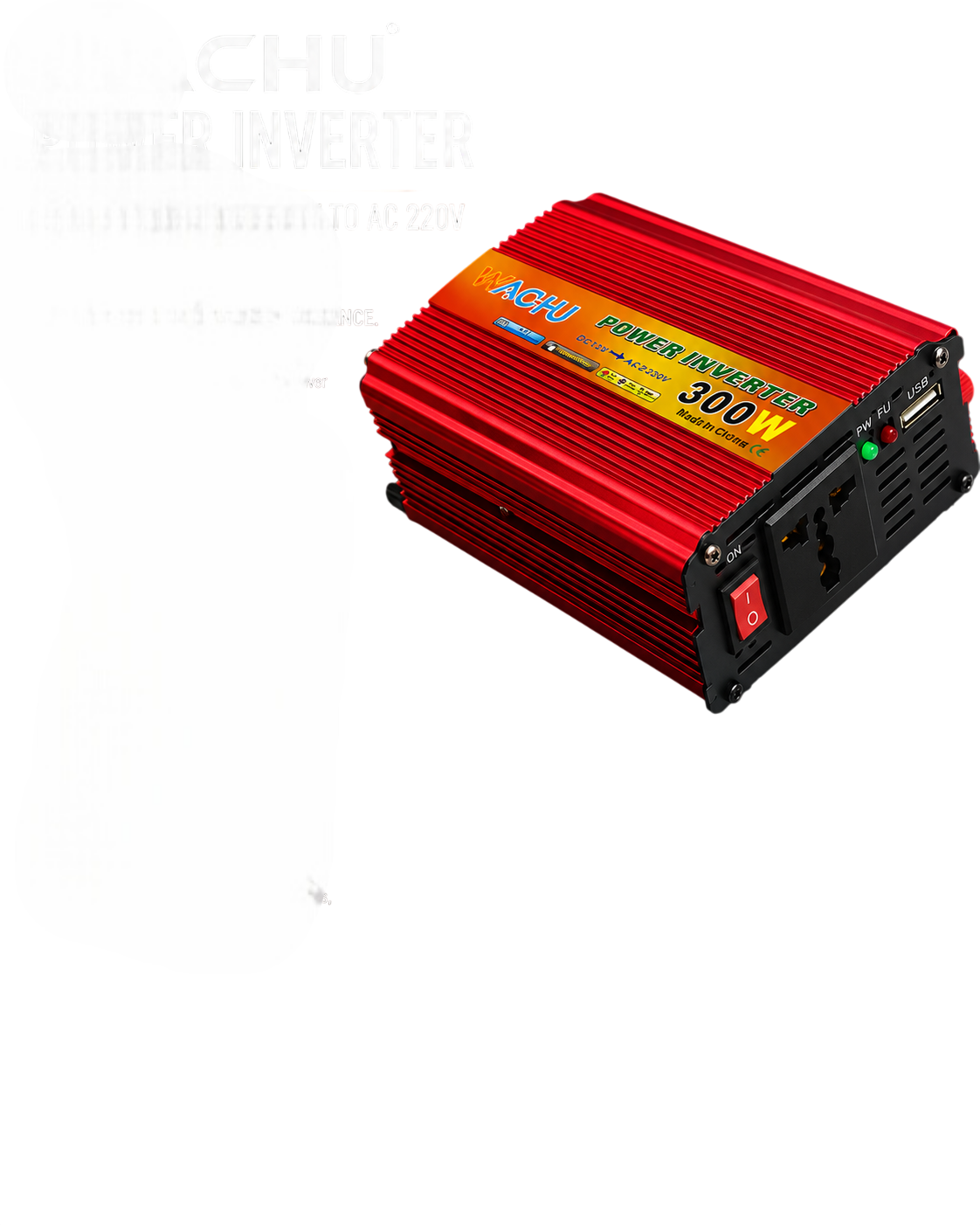
With a hybrid inverter, you wire your essential loads (lights, TV, fridge) to the inverter's output, while heavy loads (cooker, iron, water heater) stay on the grid. The inverter synchronises with the grid and switches seamlessly. The Nyumbani 1KVA Solar Hybrid Inverter is a 1kVA hybrid inverter suitable for basic appliances like lighting, TV, fans, and charging—but not a fridge. For a fridge, choose a larger hybrid inverter like the 3kVA models mentioned above.
What to keep on the grid
Keep high-power appliances on KPLC: electric cooker, iron, water heater (immersion), microwave, and any tool with a motor. These draw too much for a small solar system and would drain your battery quickly. Also, if you have a large fridge or air conditioner, consider leaving it on the grid unless your solar system is sized for it.
Avoid tripping when the grid returns
When the grid comes back, your hybrid inverter should synchronise smoothly. However, if you have a manual changeover, ensure you switch back correctly to avoid backfeeding. Also, set your inverter to limit the charging current from the grid so you don't overload your main circuit. If you often trip, consult an electrician to check your wiring and breaker sizes.
Running costs and maintenance
Solar panels have no fuel cost. The main running cost is battery replacement every few years (lead-acid: 3–5 years; lithium: 8–15 years). Keep panels clean—dust reduces output. Check battery terminals for corrosion and ensure the battery is in a ventilated space. Avoid deep discharges to prolong battery life.
Common mistakes
- Underestimating fridge energy use—fridges cycle, so their daily energy can be higher than expected.
- Buying a small inverter that can't handle start-up surges (fridges need 2–3 times running watts to start).
- Using thin cables—voltage drop wastes power and can be a fire hazard.
- Forgetting to ventilate the battery room—lead-acid batteries emit hydrogen gas.
- Not planning for expansion—leave room for more panels and batteries.
Safety first
Solar panels produce DC electricity that can be dangerous. Use proper circuit breakers and fuses. If you are not confident, hire a qualified solar technician. Ensure your inverter is properly earthed and that all wiring meets local standards.
Growing the system later
Start with essentials and add panels or batteries as budget allows. A hybrid inverter like the 3kVA models can be expanded with more panels and batteries. Keep your heavy loads on the grid and gradually shift more to solar as your system grows.
Partial off-grid solar is a practical way to reduce bills and gain energy resilience. By understanding your needs and sizing correctly, you can enjoy the benefits without abandoning KPLC.
Frequently asked questions
Can a small solar kit run a fridge in Kenya?
A very small kit cannot run a fridge, but a system with at least 600W of panels and a 1.5kWh battery can run a typical efficient fridge, especially if you manage other loads.
How do I keep KPLC as backup when I install solar?
Use a hybrid inverter or a changeover switch to connect solar to essential circuits while the grid remains connected to heavy loads. The inverter automatically switches to grid when solar is low.
What size solar system do I need for lights, TV, and fridge?
Approximately 2–3 kWh per day, so around 600W–1kW of solar panels and a battery bank of 2–3 kWh usable capacity, depending on your appliances and usage patterns.
Products in this guide
- Solarmax MX-315 Solar Kit
- 3.3kW Advanced Solar Power System
- 550W Solar Panel + 3KVA Hybrid Inverter + 2×200Ah Batteries Complete
- 100ah solarmax battery
Prices and stock change often; open each product for today's price.

Author
Solar Africa
Related posts