


By Solar Africa On 17-11-2026 at 7:25 am
Solar Kit Size for a 1, 2 or 3-Bedroom House in Kenya
Start with what you actually switch on
Most Kenyan homes don't need a big solar system. They need the right size for the appliances they truly use every day. A one-bedroom house with lights, phone charging and a small TV has very different needs from a three-bedroom home running a fridge, a fan and an iron.
This guide walks you through sizing by house size, so you can avoid both disappointment and overbuying.
What you need (a short checklist)
- A list of your appliances and how many hours each runs per day.
- The wattage on each appliance label (or a typical figure if the label is missing).
- Your daytime sun: most of Kenya gets roughly 4–5 useful peak sun hours a day, but shade and roof direction matter.
- Your night load: what must keep running after dark.
- Space for panels and a dry, ventilated spot for the battery and inverter.
- A budget for the kit plus installation, and a plan for maintenance.
How a solar setup works in a Kenyan home
Panels charge a battery through a charge controller during the day. The battery stores energy for the evening. An inverter turns the battery's 12V DC into 220–240V AC for TVs, chargers and other normal household appliances. Lights can run directly from the DC side in many kits.
Every part has a limit. A panel that is too small will never fill the battery. An inverter that is too small will trip when a bigger appliance starts. A battery that is too small will die early from deep cycling. Sizing means matching all three.
A simple sizing table
| House size | Typical daily load | What it can power | What to leave on the grid or skip |
|---|---|---|---|
| 1 bedroom | About 0.3–0.8 kWh | LED lights, phone charging, router, small fan, 32" TV (a few hours) | Fridge, iron, kettle, pump |
| 2 bedroom | About 0.8–1.8 kWh | The above plus a larger TV, laptop, more lights, a small fan overnight | Fridge (unless you step up), iron, pump |
| 3 bedroom | About 1.8–3.5 kWh | The above plus a small fridge, more fans, longer TV hours | Iron, kettle, pump (unless designed in) |
These are typical, approximate figures. Your actual use depends on appliance efficiency and how long things run.
One-bedroom house: lights, phones and a small TV
A single room or one-bedroom unit is the easiest case. Three to five LED bulbs, a phone charger or two, a WiFi router and a small TV are realistic. A compact all-in-one lighting kit is often enough, and it keeps the cost and wiring simple.
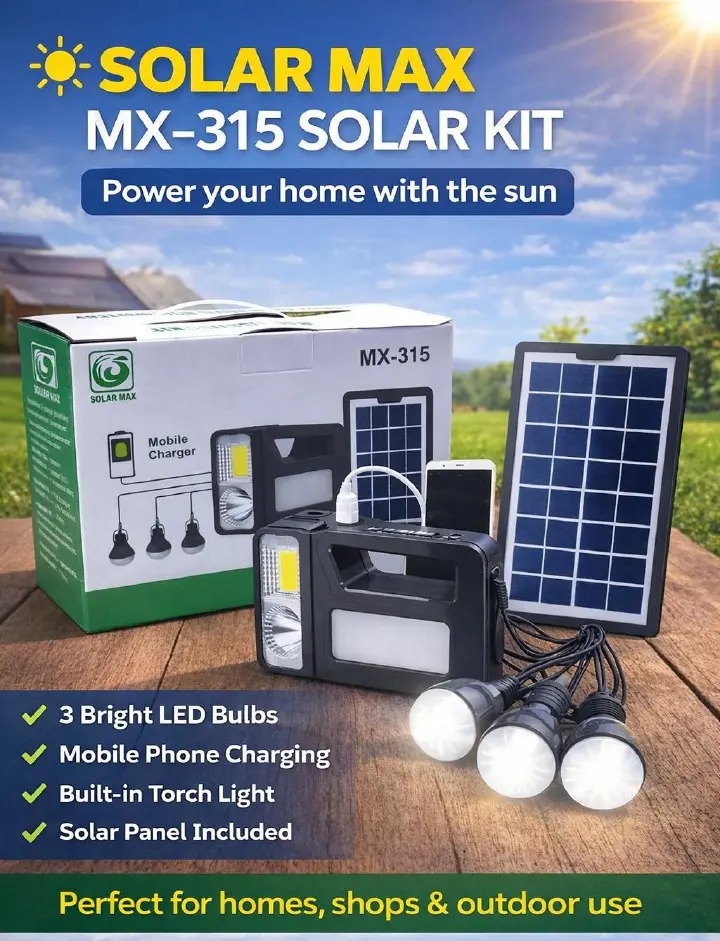
The Solarmax MX-315 Solar Home Lighting Kit with 3 LED Bulbs is a good example of this class: a solar panel, a power unit and three LED bulbs, designed for rooms, corridors and outdoor lighting. It is a lighting kit, not a whole-house power station. Pair it with grid power or a small separate charger for heavier devices.
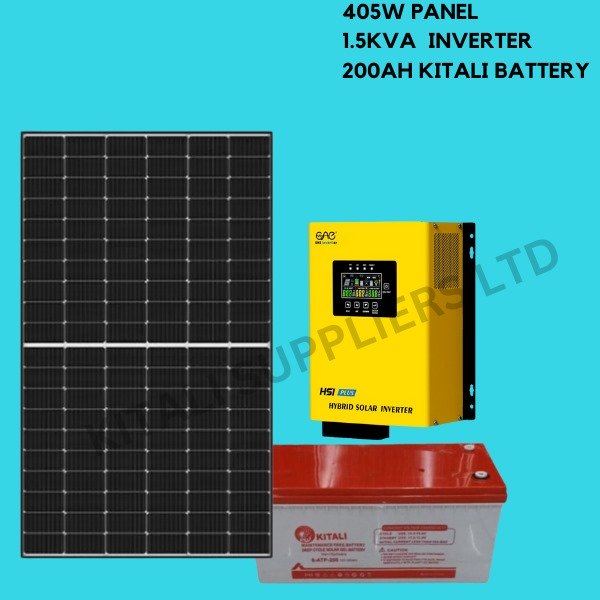
If you want a few AC sockets for a TV, router or fan, a small kit with an inverter makes more sense. The 100W Solar Home Lighting Kit includes a 100W panel, an 80Ah battery, a 150VA inverter, a 10A controller and three LED bulbs. That is a realistic match for a one-bedroom home with a small TV and phone charging.
Two-bedroom house: add a bigger TV, laptop and fan
Two bedrooms usually mean more lights, a bigger TV, a laptop, a router and a fan during hot months. The daytime load is still modest, but the evening and night load is longer. This is where battery size starts to matter more than panel size.
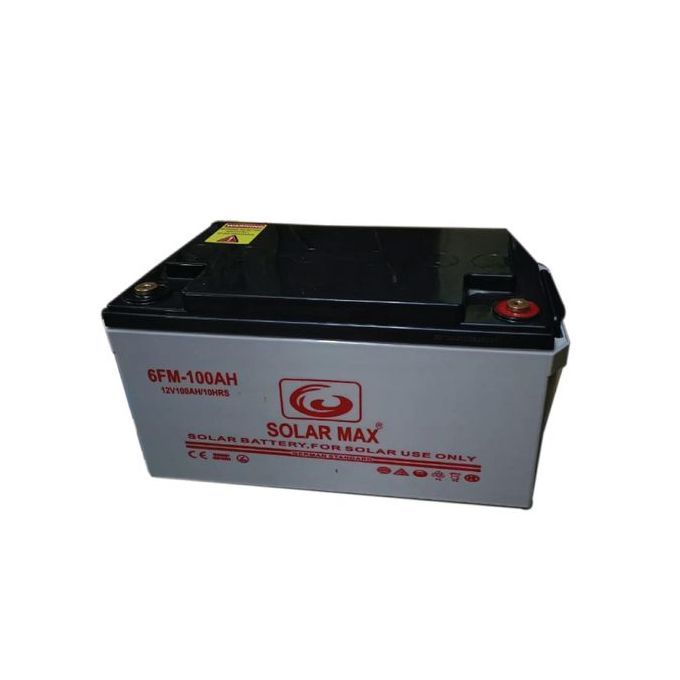
Look for a kit with a battery of at least 100Ah at 12V and an inverter that comfortably covers your continuous load, with headroom for startup surges. Fans and TVs are fine; an iron is not. A 300W inverter can run a TV, router, fan and lights together, but it will not start a pump, kettle or iron.
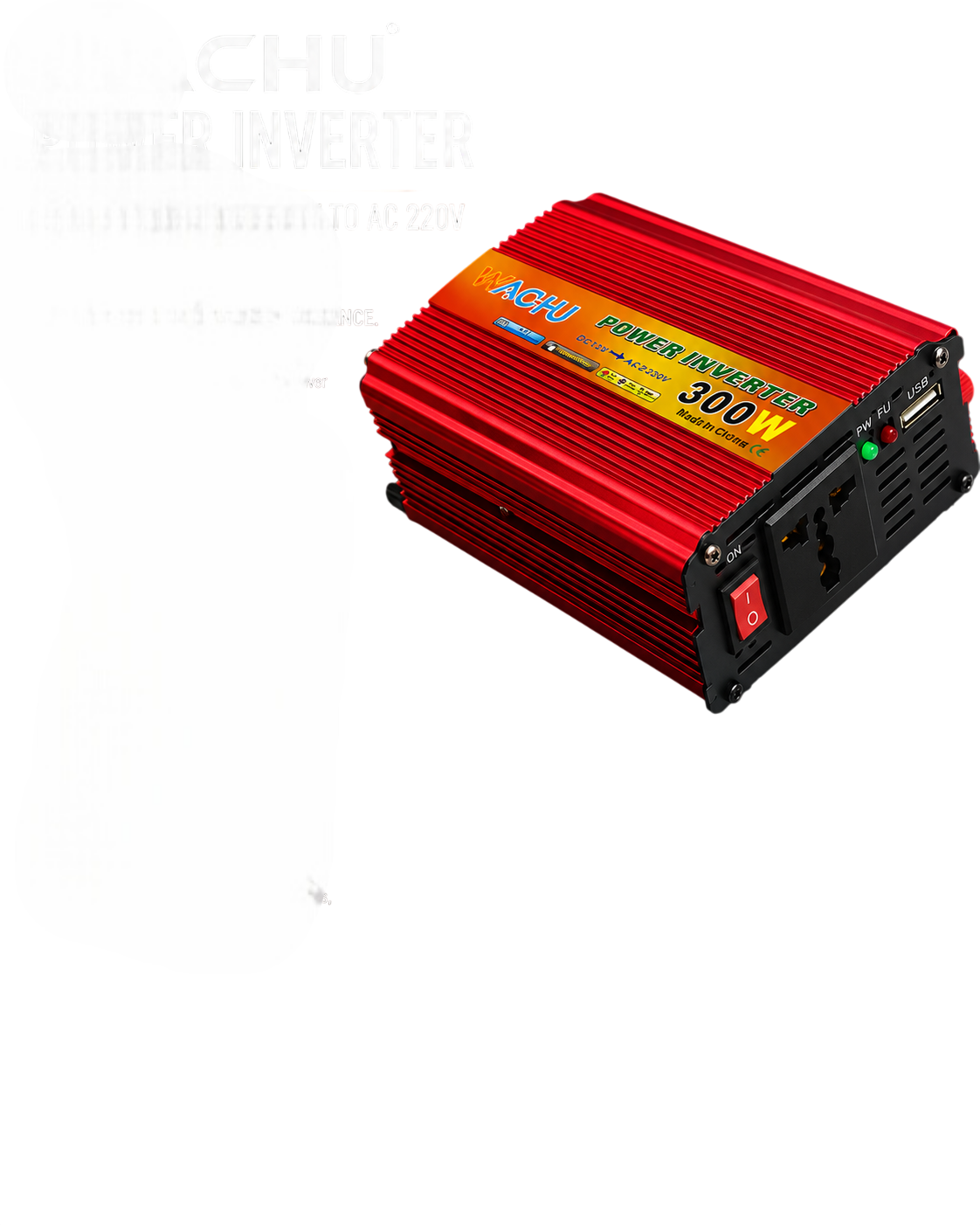
The Yachu 100Ah Solar Power Kit with 300W Inverter & 30A Controller combines a 100Ah battery, a 300W inverter, a 30A controller and 20 LED bulbs. That is a sensible two-bedroom package if your evening load is lights, TV, router and a fan. If you later add a fridge, plan to step up rather than pushing this kit harder than it is designed for.
Three-bedroom house: fridge, more fans, longer evenings
Three bedrooms, a sitting room and a kitchen add loads quickly. A small fridge alone can use roughly 0.5–1 kWh a day in a Kenyan climate, depending on size and how often it is opened. Add several fans and a bigger TV and you are in the 2–3.5 kWh range.
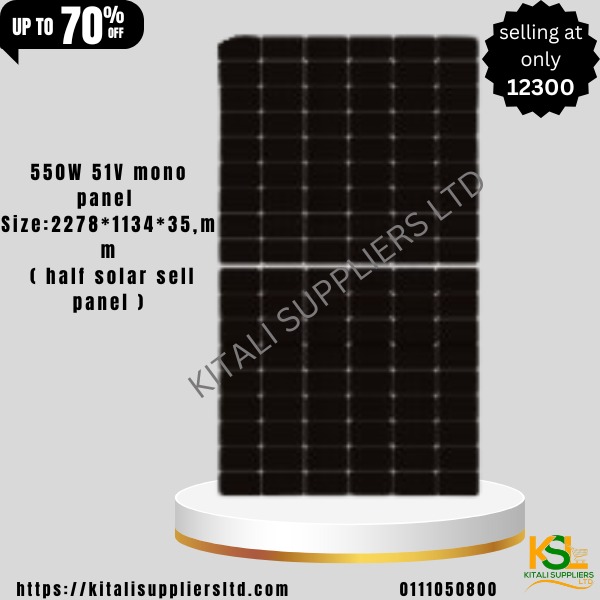
At this level, a small plug-and-play kit is not enough. You need a system with multiple panels, a higher-capacity battery bank and a hybrid inverter that can also accept grid or generator input. The 3.3kW Advanced Solar Power System is built for this: six 550W panels (3.3kW total), two 200Ah lithium batteries and a 3kVA hybrid inverter. It should be installed by someone who can size the wiring and earthing properly.
Even at this size, an iron, kettle or water pump is a heavy load. Run them only when the sun is strong, or keep them on the grid. For water, a dedicated solar pump is usually cheaper than pushing a house inverter to do the job.
How to avoid overbuying
- Measure first. Add up the watts and hours of each appliance. Don't guess.
- Separate day and night. Ironing and pumping can happen in daylight; lights and TV cannot.
- Don't size for guests. Size for your normal week, not the one weekend when everyone visits.
- Leave the heavy heating appliances on the grid. Irons, kettles and microwaves are brutal on small solar systems.
- Grow in steps. A kit that covers lights, TV and charging today can be expanded later with another panel or battery.
Common mistakes
- Buying the inverter first. The battery and panels set what you can actually run.
- Ignoring startup surges. Fridges and pumps draw several times their running wattage for a moment.
- Using a modified sine wave inverter for sensitive electronics. Some devices hum or run hot; pure sine wave is gentler.
- Poor panel placement. Shade from a tree or water tank can cut output dramatically.
- No fuses or earthing. Safety is not optional, especially with 12V batteries that can deliver high current.
Maintenance and safety
Clean panels every few weeks in dusty areas. Keep the battery in a ventilated spot, away from children and moisture. Check terminals for corrosion and tighten them gently. Never short a battery or lay metal tools across its terminals. If you smell a rotten-egg odour from a lead-acid battery, ventilate and stop charging until it is checked.
Have the installation checked by a qualified technician, especially earthing, cable sizing and fuses.
Quick decision guide
- 1 bedroom, lights and charging only: a lighting kit is enough.
- 1–2 bedrooms, TV, router and fan: a small kit with a 100Ah battery and a modest inverter.
- 3 bedrooms with a fridge: step up to a multi-panel system with a hybrid inverter and a larger battery bank.
- Water pump or iron: keep it on the grid or use a dedicated pump; don't overload a house kit.
Frequently asked questions
Which solar kit do I need for a 2-bedroom house in Kenya?
For most two-bedroom homes running lights, a TV, a router and a fan, a kit with a 100Ah battery and a 300W-class inverter is a realistic starting point. Add a fridge or iron and you should step up to a larger multi-panel system.
How much solar do I need to power a fridge and TV in Kenya?
A small fridge plus a TV typically needs roughly 1.5–3 kWh a day, depending on fridge size and TV hours. That calls for a multi-panel system with a larger battery bank and a hybrid inverter, not a small lighting kit.
Can a small solar kit run an iron or water pump?
No. Irons, kettles and pumps draw far more power than small kits and inverters are designed for. Keep those on the grid, run them on a generator, or use a dedicated solar pump for water.
Products in this guide
- Solarmax MX-315 Solar Home Lighting Kit with 3 LED Bulbs
- 100W Solar Home Lighting Kit
- Yachu 100Ah Solar Power Kit with 300W Inverter & 30A Controller
- 3.3kW Advanced Solar Power System
Prices and stock change often; open each product for today's price.

Author
Solar Africa
Related posts