


By Solar Africa On 16-11-2026 at 7:50 am
Fix Low Water Pressure in a Kenyan Home: Booster Pump Guide
Why your taps are weak
In most Kenyan homes, weak pressure is not a mystery. Water pressure at a tap depends on three things working together: the height difference between your tank and the tap (the “head”), the width and condition of your pipes, and the flow your supply can actually deliver. A rooftop tank gives roughly one bar of pressure for every ten metres of drop — typical single-storey roof heights give modest pressure at best, and upstairs taps feel it first.
Before you buy a pump, find out which of the three is letting you down. A taller tank stand, a wider feed pipe or a clean filter is often cheaper than a pump, and sometimes all you need.
Check these before spending money
- Height: Is the tank at least a few metres above the highest tap? Raising a stand by two or three metres can transform an upstairs shower.
- Pipe size: A long run of narrow pipe chokes flow. Half-inch pipe feeding a whole house is a common culprit.
- Blockages: Clogged aerators, scaled shower heads, a half-closed gate valve or a dirty tank outlet strainer.
- Leaks: A leaking underground line drops pressure everywhere.
- Mains timing: If the county supply arrives only at night, your real problem is storage, not pressure.
What you need
- A tape measure (tank height and pipe runs)
- A bucket and stopwatch to measure flow in litres per minute
- A pressure gauge, if you can borrow one
- A pump with a pressure switch, or a separate pressure switch and small pressure tank
- A float switch for the storage tank
- A dry-run protection method: float switch, low-level cut-out, or a pump that stops when it senses no water
When a booster pump is genuinely needed
Fit a booster when the tank is high enough and the pipes are sound, but pressure still disappoints — usually because the tank is far from the bathroom or the run is long and narrow. A booster is also the answer when you need strong flow at several outlets at once.
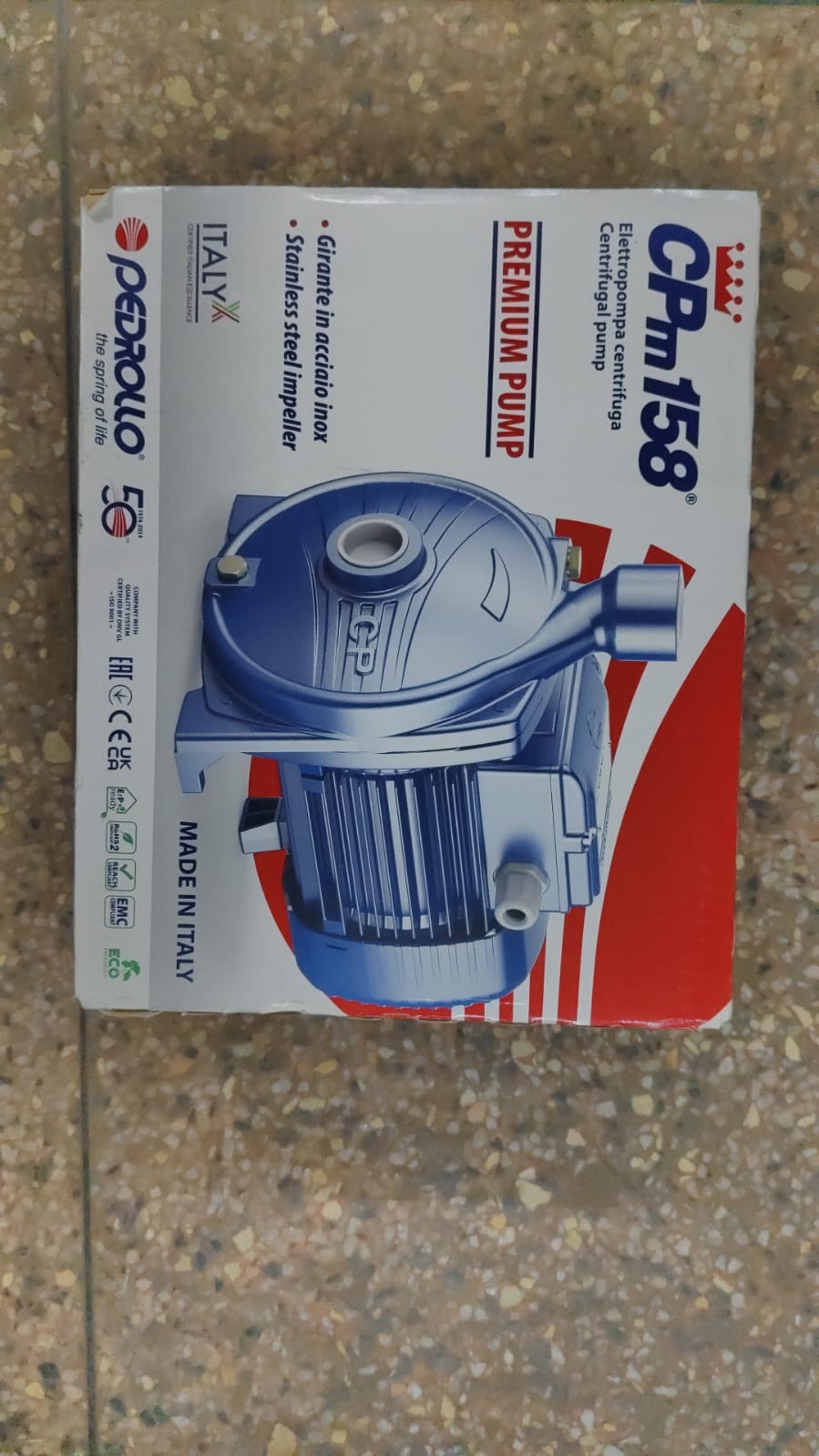
Domestic booster pumps are usually rated by motor size, not by the pressure they deliver. A 1HP unit is the common choice for a family house; smaller pumps suit a single bathroom or a kitchen. The Pedrollo 1HP Booster Pump is a 1HP domestic booster intended for household and small commercial supply. Match the pump to your measured flow: if your shower needs about 8–10 litres a minute and two taps run together, size for the total, not for one tap.
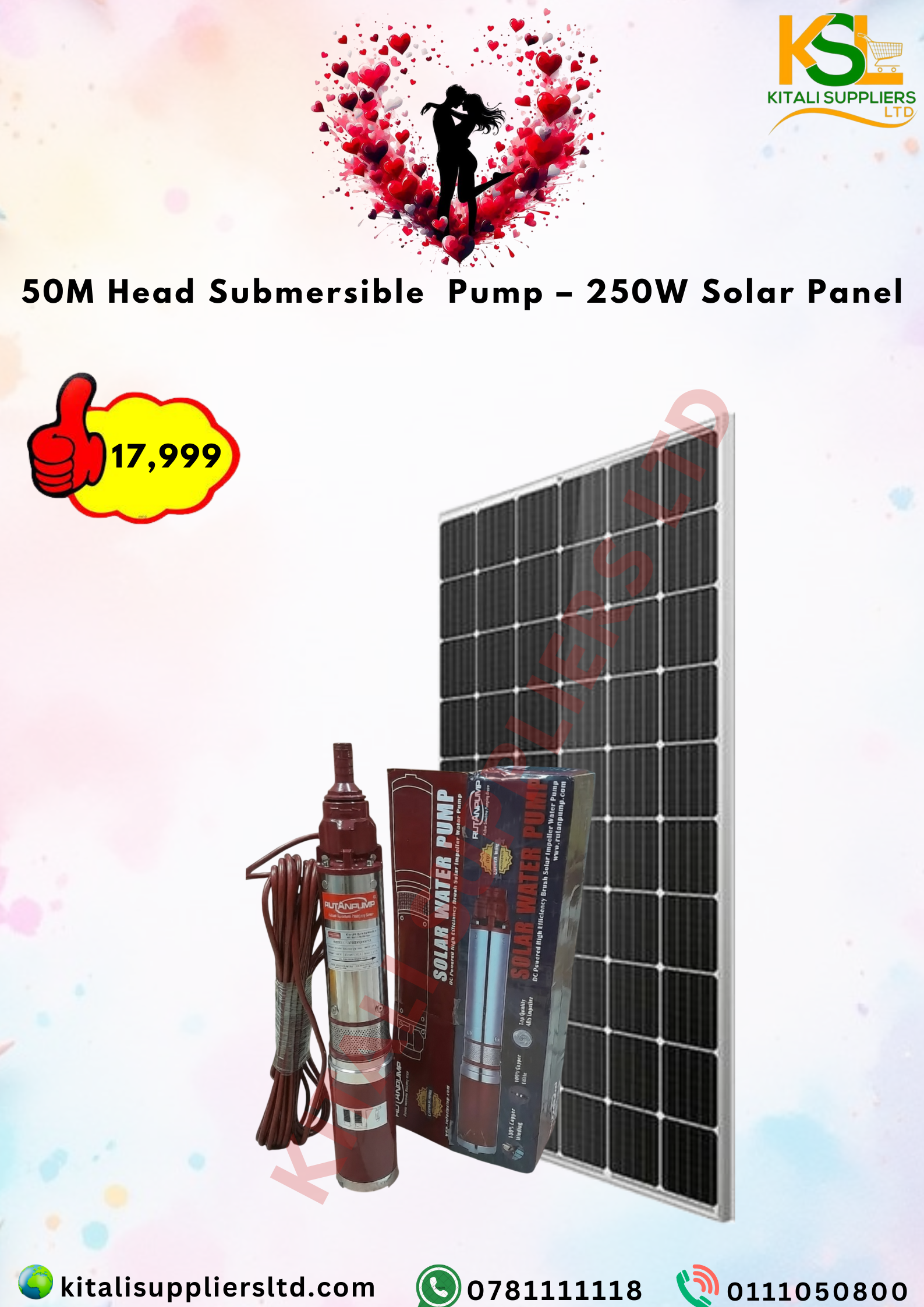
If your water comes from a borehole or well rather than a tank, a submersible pump lifts water into storage first. The Doyin 3SDS4-400W (0.5HP) Submersible Water Pump with Control Box is a 400W (0.5HP) submersible with a 1-inch outlet, a stated maximum flow of 4,000 litres per hour and maximum head of 55 metres, and it comes with a control box. It fills tanks; it is not a pressure booster for your shower. Large diesel pumps are for irrigation and construction, not a family bathroom.
Pressure, tank head and pipe size together
Think of pressure as push and flow as volume. A pump adds push, but a narrow pipe still limits volume. That is why some homes fit a pump and still get a thin stream: the feed pipe is the bottleneck. Aim for a sensible tank height, then a feed pipe sized to the pump inlet, then clean, straight runs with few sharp bends.
| Setup | Typical result | Watch out for |
|---|---|---|
| Rooftop tank, half-inch pipe, no pump | Weak upstairs, okay downstairs | Long runs, many bends |
| Taller stand, wider feed pipe | Better gravity pressure | Structural safety of the stand |
| Tank plus 1HP booster | Strong showers and several taps | Cycling if the pressure tank is tiny |
Stop the pump cycling on and off
Rapid on-off switching usually means the pressure switch cut-in and cut-out are set too close together, the small pressure tank has lost its air charge, or the pump is oversized for the flow. Set cut-in around 1.0–1.5 bar and cut-out around 2.0–2.5 bar as a starting point, then adjust to suit your house. A pressure tank with a healthy air charge cushions the surge so the pump runs in longer, gentler cycles.
Float switch and dry-run protection
A float switch in the storage tank stops the pump when the tank is nearly empty and restarts it when water returns. Without it, a booster can run dry in seconds and damage the seal or motor. Set the float so it cuts out before the outlet starts sucking air, and test it by closing the tank inlet and watching the pump stop. Some solar pump kits include a float switch for exactly this reason.
Keeping water flowing through power cuts
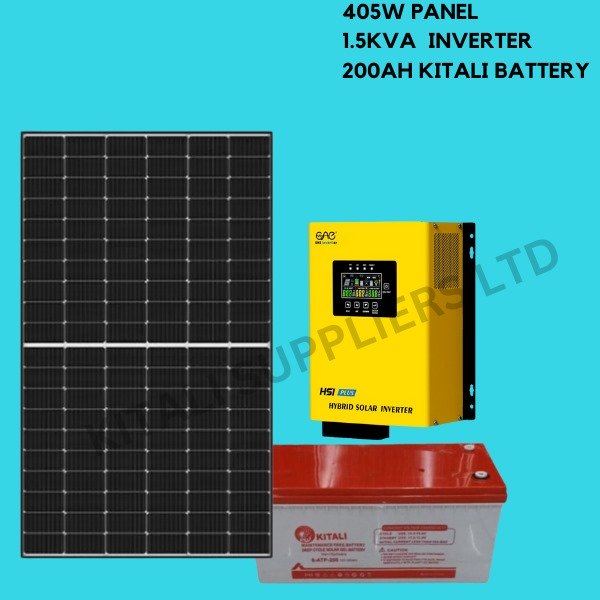
A booster pump needs electricity. To bridge short outages, pair it with a small inverter and battery sized for the pump's starting surge, not just its running watts. The Nyumbani 1KVA Solar Hybrid Inverter is a 1KVA hybrid inverter for small homes and basic appliances; check whether its output can meet your pump's starting demand before relying on it. A pure sine wave output matters for motors. A 100ah solarmax battery deep-cycle battery stores the energy. Note that a 300W inverter will not start a 1HP pump — small inverters are for lights and routers, and pumps draw far more at start-up.
Common mistakes and maintenance
- Buying a pump before checking pipe size and tank height.
- No float switch, leading to dry running.
- Pressure switch set too tight, causing constant cycling.
- Ignoring a leaking foot valve or a blocked strainer.
Clean the tank yearly, check the pressure tank air charge every few months, and listen for unusual noise. For safety, have a qualified electrician wire the pump to a properly earthed circuit with its own breaker, and make sure the tank stand is sound before you add weight.
Frequently asked questions
Do I need a booster pump if my rooftop tank is already high?
Only if the tank is high enough, pipes are clear and pressure is still weak. Check pipe size, blockages and leaks first; sometimes a taller stand or wider feed pipe is enough.
Why does my booster pump switch on and off constantly?
The pressure switch cut-in and cut-out are usually too close together, the pressure tank has lost its air charge, or the pump is oversized. Adjust the switch and check the tank charge.
Can I run a booster pump during a power cut?
Yes, with an inverter and battery sized for the pump's starting surge. A small 300W inverter will not start a 1HP pump, so check the pump's starting demand before buying backup.
Products in this guide
- Pedrollo 1HP Booster Pump
- Doyin 3SDS4-400W (0.5HP) Submersible Water Pump with Control Box
- Nyumbani 1KVA Solar Hybrid Inverter
- 100ah solarmax battery
Prices and stock change often; open each product for today's price.

Author
Solar Africa
Related posts