


By Solar Africa On 16-11-2026 at 7:50 am
Petrol vs Diesel vs Inverter Generators: Kenya Buying Guide
Why the type of generator matters more than the brand
The wrong fuel type or size will either leave you short of power or drain your wallet every month. This guide covers petrol, diesel and inverter generators, how to size them in kVA, and when a small battery system beats a big fuel guzzler.
What you need before you shop
- List your loads. Write down every appliance you want to run and its wattage.
- Decide what must run at once. Prioritise; you rarely need everything on together.
- Note starting surges. Motors in fridges, freezers and pumps can draw two to three times their running wattage for a few seconds.
- Estimate daily run hours. One hour of backup is very different from eight hours of shop power.
- Check fuel access. Petrol stations are everywhere; diesel is widely available but not always in small quantities.
- Think about noise. Neighbours, customers and family will notice a loud generator.
Petrol generators: the common choice for homes and small shops
Petrol generators are cheap to buy, easy to start and available in almost every town. They suit short runs — a blackout, a market stall, a small event. The trade-off is higher fuel cost per unit of electricity and more frequent servicing. Petrol also goes stale if stored too long, so buy fresh and don't hoard.
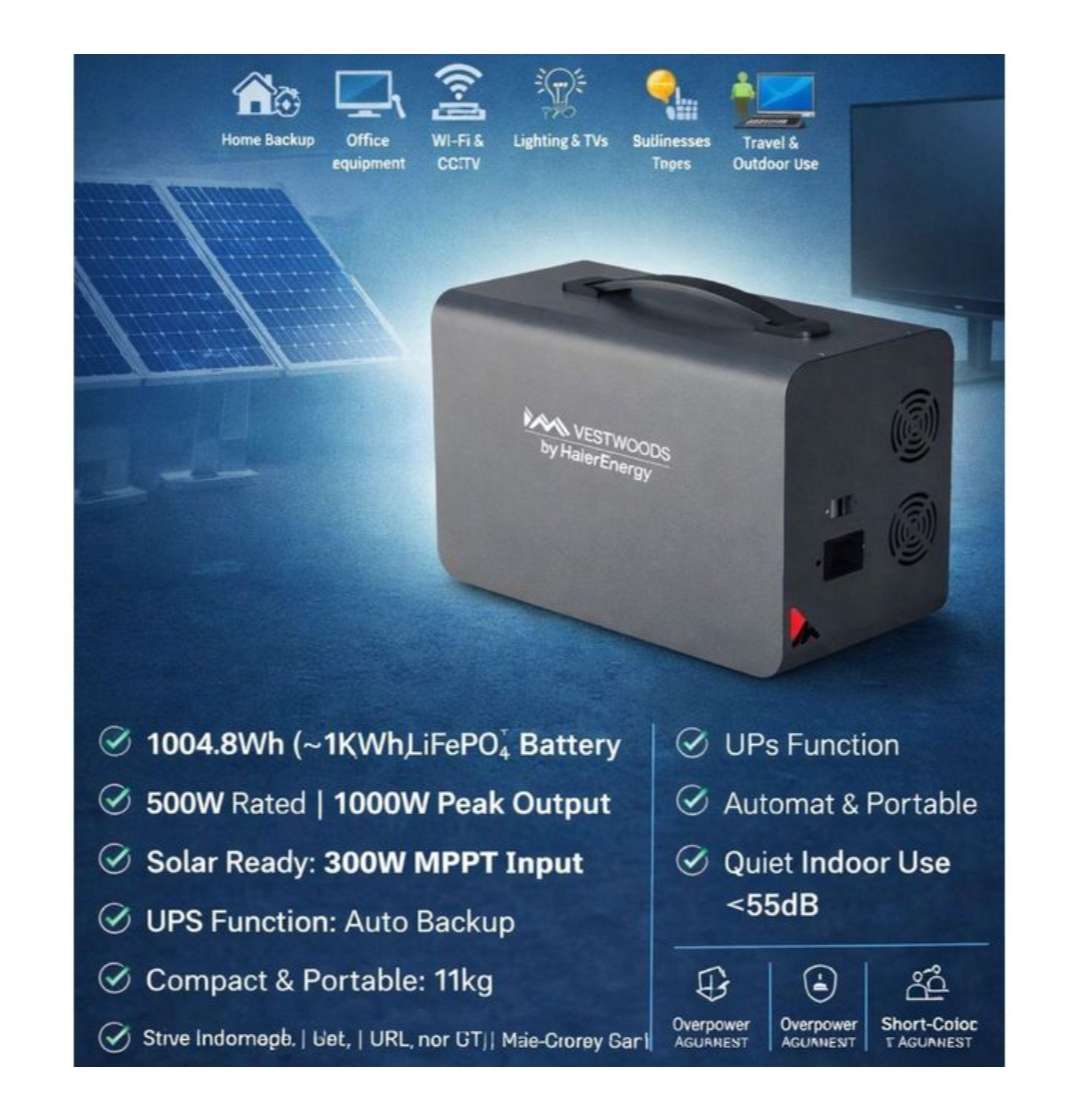
For a basic home backup — lights, TV, router, phone chargers — a 1–2 kVA petrol unit is often enough. The Astramilano Petrol Generator With Extension Cord fits this light-duty role. If you prefer a plug-and-play battery unit for the same loads, the Vestwoods 1KW Backup Power Station is a 1 kW portable power station that runs small electronics without fuel or noise.
Watch out for
- Fuel going stale in the tank
- More frequent oil changes and spark plug checks
- Higher running cost per kWh than diesel
Diesel generators: built for long hours and heavier loads
Diesel generators cost more upfront but are cheaper to run over long periods. They suit shops, farms, workshops and events that need six to ten hours of steady power, and diesel engines tend to last longer between overhauls when serviced well.
They are louder and heavier, so they suit a fixed location away from living or working areas. For a medium shop or busy event, an 8 kVA diesel unit like the Skygo Germany 8Kva Diesel generator can carry several appliances and lights at once. Larger three-phase sets, such as the Dayliff DG12000DST 12.5KVA 3PH Diesel Generator, are for industrial equipment or bigger premises — not typical homes.
Watch out for
- Higher purchase price
- More noise and vibration
- Fuel quality matters — dirty diesel clogs filters
Inverter generators: quiet, clean power for electronics
Inverter generators produce stable, clean electricity — much like the grid — which is safe for laptops, TVs, routers and other sensitive electronics. They are also quieter and more fuel-efficient at part load than conventional generators.
The catch is size: inverter generators are usually 1–3 kVA and cost more per kVA. They are ideal for home backup, office desks, camping and events where noise matters. If your main need is clean power for a few devices, a battery-based system can be even quieter and cheaper to run. The Nyumbani 1KVA Solar Hybrid Inverter is a 1 kVA hybrid inverter that pairs with a battery to keep lights, TV and fans on without fuel.
Watch out for
- Limited capacity — not for big motors or whole-house backup
- Higher price per kVA
How to size a generator in kVA
Generator capacity is usually given in kVA. To convert to kW, multiply by 0.8 (power factor), so a 5 kVA generator gives roughly 4 kW. Add up the running watts of everything you want on at once, then add the biggest starting surge. For motor loads, allow 2–3 times the running wattage for a few seconds.
| Typical load | Running watts (approx.) | Starting surge (approx.) |
|---|---|---|
| LED lights (10) | 100 W | — |
| TV + decoder | 150 W | — |
| Fridge/freezer | 150–300 W | 600–900 W |
| Water pump (0.5 HP) | 370 W | 1,100 W |
| Small shop (lights, till, fan) | 500–800 W | — |
For a typical home backup (lights, TV, router, fridge), 2–3 kVA is often enough. For a small shop with a fridge and a few lights, 3–5 kVA. For a farm with a pump, size for the pump's surge.
Running costs
Petrol generators use about 0.4–0.6 litres per kWh produced, while diesel uses about 0.3–0.4 litres per kWh. Diesel is usually cheaper per litre in bulk, so the gap widens over long hours. Inverter generators sip fuel at low load. Don't forget maintenance: petrol units need more frequent attention; diesel units need fewer oil changes but cost more per service. Batteries have no fuel cost, but you pay to charge them and eventually replace them.
When a small inverter plus battery beats a big petrol generator
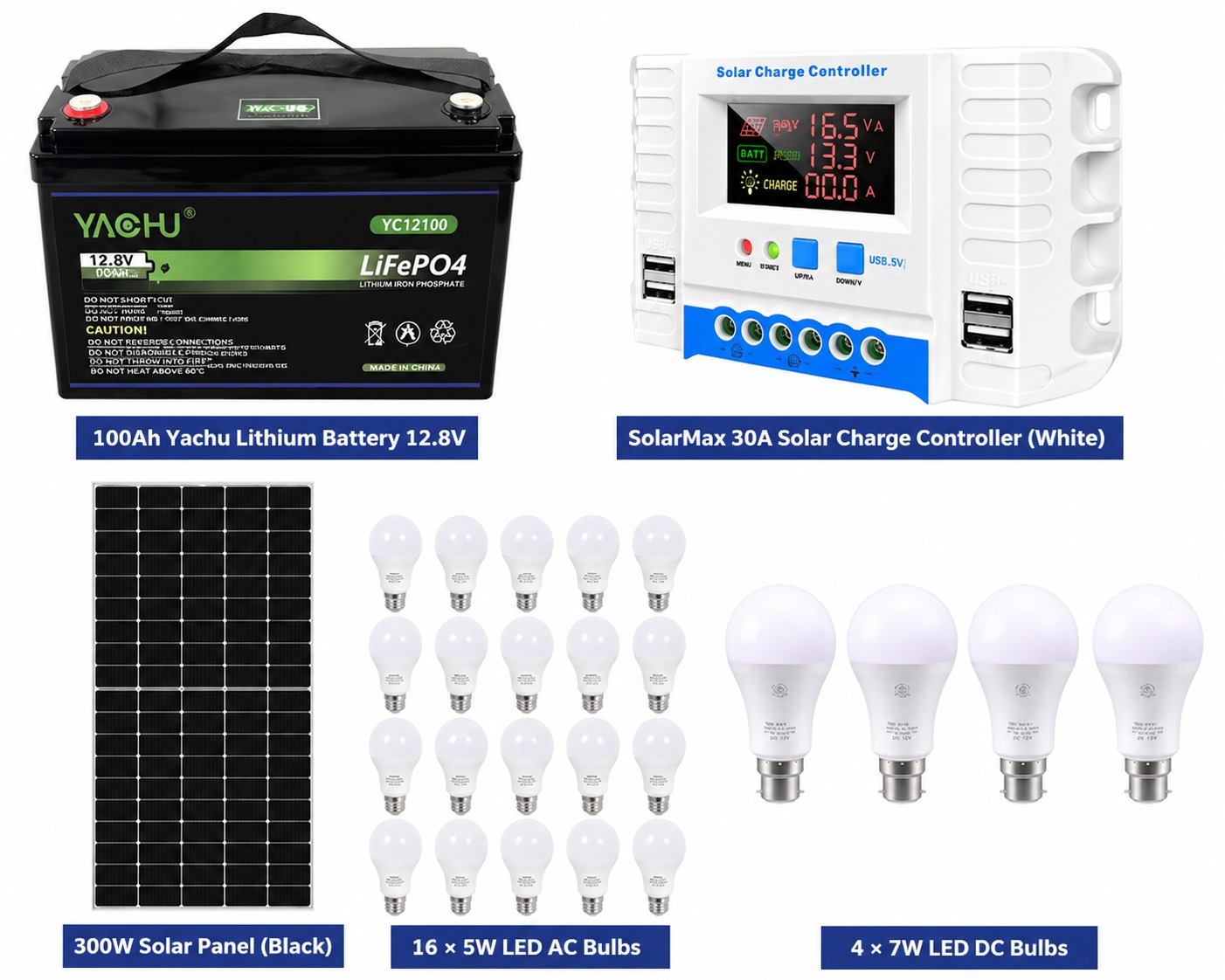
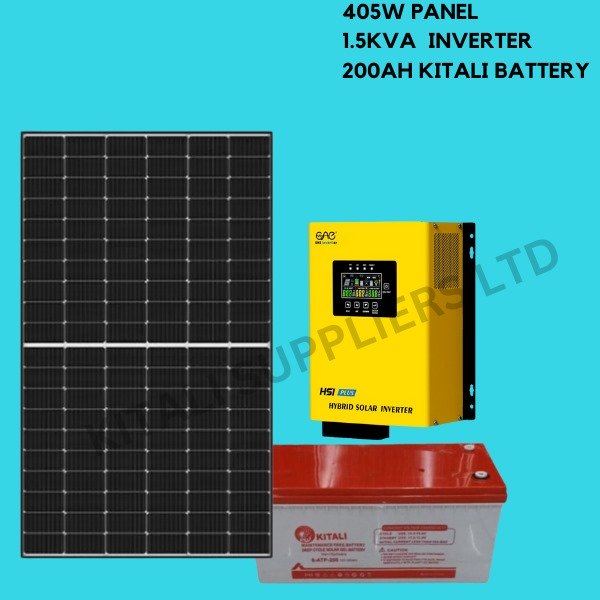
If your needs are lights, TV, router, phone charging and maybe a fan, a battery-based system can be quieter, cleaner and cheaper to run than a petrol generator. A hybrid inverter like the Nyumbani 1KVA Solar Hybrid Inverter paired with a deep-cycle battery such as the 100ah solarmax battery stores energy from the grid or solar and releases it silently during outages. You avoid fuel queues, noise and fumes. The trade-off is sizing the battery for your nightly needs and replacing it every few years.
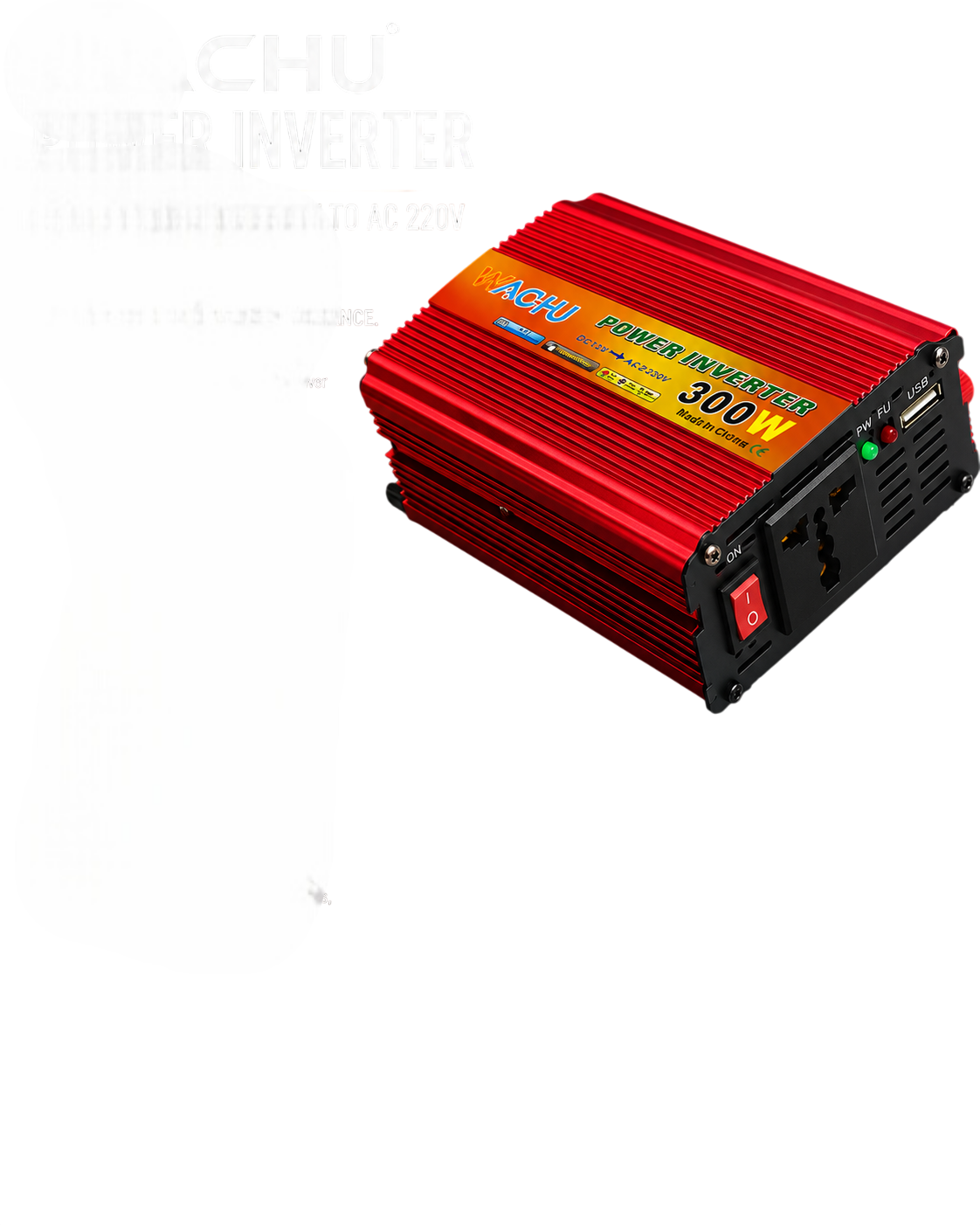
For very small loads, a pure sine wave inverter like the Pure Sine Wave 300W Power Inverter connected to a 12V battery can keep things running. Just remember it is a 300W inverter: it won't start a fridge or a pump.
Common mistakes to avoid
- Buying too small. A generator that trips every time the fridge kicks in is useless.
- Buying too big. An oversized generator runs inefficiently and wastes fuel.
- Ignoring starting surges. Motors need extra power for a second or two.
- Running sensitive electronics on a dirty supply. Use an inverter generator or a battery inverter for laptops and TVs.
- Poor ventilation. Never run a generator indoors or in a closed room — carbon monoxide kills.
- Skipping maintenance. Oil changes and clean filters extend life.
Maintenance and safety basics
Service according to the manual — usually every 50–100 hours for oil changes on petrol units, longer for diesel. Keep the generator dry, refuel only when it's off and cool, and store fuel safely away from living areas. Install a changeover switch so you don't backfeed the grid. For battery systems, ensure the inverter and battery are compatible and well ventilated.
Match the generator to your actual load and run hours. A well-sized petrol unit for short outages, a diesel workhorse for long days, or a quiet battery system for electronics will each serve you better than a random pick.
Frequently asked questions
What size generator do I need for my home in Kenya?
For a typical home backup (lights, TV, router, fridge), 2–3 kVA is usually enough. Add up the running watts of what you want on at once, then add the biggest starting surge (fridges and pumps need 2–3 times their running watts).
Is a diesel generator cheaper to run than petrol?
Yes, over long hours diesel is generally cheaper per kWh because diesel fuel costs less in bulk and diesel engines are more efficient. But diesel generators cost more upfront, so they suit daily use rather than occasional backup.
Can I run my TV and laptop on a petrol generator?
Only if it's an inverter generator or you use a stabiliser. Conventional petrol generators can produce uneven power that may damage sensitive electronics. Inverter generators or battery-based inverters provide clean, stable power.
Products in this guide
- Astramilano Petrol Generator With Extension Cord
- Vestwoods 1KW Backup Power Station
- Skygo Germany 8Kva Diesel generator
- Dayliff DG12000DST 12.5KVA 3PH Diesel Generator
Prices and stock change often; open each product for today's price.

Author
Solar Africa
Related posts