


By Solar Africa On 16-11-2026 at 7:42 am
Generator Maintenance in Kenya: A Practical Service Guide
A generator that fails on the night the power goes is almost always one that was neglected quietly for months. Most failures are preventable with a simple routine. This guide covers break-in, servicing, fuel storage, load discipline, dust and damp, and long idling. It applies to petrol and diesel sets of any size.
What you need
- The owner's manual for your model (it beats general advice on oil grade and gaps).
- Engine oil of the grade the manual states, plus a funnel and rags.
- A spark plug spanner and a feeler gauge (petrol), or fuel and oil filters (diesel).
- Fresh fuel in a clean, sealed jerrycan and a fuel stabiliser.
- A dedicated dry, ventilated spot for the generator, ideally on a raised slab.
- A small notebook or phone note to log hours, oil changes and faults.
Break-in: the first 20 hours decide a lot
New engines shed fine metal particles as they bed in. For the first 20 hours or so, keep loads light to moderate, vary the load rather than running flat out, and avoid long idling. Change the oil after the first 20 hours (or as the manual says), because that first oil carries the break-in debris. Check oil level before every run and top up to the mark, never over.
A simple service schedule
Hours matter more than calendar dates, but both count. This is typical for a small petrol standby set; diesel sets follow the same pattern with fuel filters included.
| Interval | What to do |
|---|---|
| Before every start | Check oil level, fuel level, air filter, and look for leaks or loose wiring. |
| Every 20–50 hours | Clean the air filter (replace if torn or soaked), check the spark plug, tighten bolts that vibrate loose. |
| Every 50–100 hours | Change engine oil; clean the spark plug or replace it; check the fuel line for cracks. |
| Every 100–200 hours | Replace the air filter and spark plug; diesel: replace fuel and oil filters; check the battery and terminals. |
| Yearly or after long storage | Full service: oil, filters, plug, fuel system flush, battery check, general inspection. |
Approximate figures only. On a set that runs a few hours a week, you may change oil once or twice a year. Log the hours so you don't guess.
Fuel: the biggest quiet killer
Petrol goes stale in weeks in Kenyan heat, and stale fuel clogs carburettors and refuses to start. Diesel attracts moisture and can grow microbes in a half-full tank. Practical rules:
- Buy fuel in sensible quantities; rotate your stock so the oldest is used first.
- Store in sealed metal or approved plastic containers, away from sun, in a ventilated spot, never near a cooking area or a child's reach.
- Add a fuel stabiliser for standby fuel, especially if a jerrycan lasts more than a month.
- Keep the tank fuller than half to reduce condensation, but don't fill to the brim in hot weather.
- Never store fuel inside the house. Keep a dry powder extinguisher near the generator.
Spark plugs, batteries and starting
On petrol sets, a fouled or wrongly gapped plug is the commonest no-start cause. Clean it, regap to the manual figure, or replace it. A choked air filter makes the engine run rich and foul the plug faster. On electric-start sets and diesels, a weak battery shows up as slow cranking. Keep terminals clean and greased, charge the battery monthly if the set is rarely used, and park the machine out of direct sun where batteries degrade faster.
Load discipline
Overloading shortens engine life and can trip the set mid-run. Know your continuous rating (kVA or watts) and keep running loads comfortably below it, allowing for the surge of fridges, freezers and pumps. A fridge may draw 100–200W running with a higher start surge, a TV 60–100W, a few LED lights under 50W together. Start the biggest appliance first, let the engine settle, then add the next. Never run a generator in a closed room or garage, and never backfeed a house socket.
Dust, damp and long storage
Dust blocks cooling fins and air filters; damp corrodes windings and terminals. Site the set on a raised slab under a simple roof with open sides, cover it when idle (never while running), and blow out dust with dry air, not water. If the generator will sit unused for months:
- Run the tank low, add stabiliser, run for ten minutes to circulate treated fuel, then shut the fuel tap.
- Change the oil before storage, not after.
- Remove the spark plug, add a little oil to the cylinder, turn the engine a couple of times, refit the plug.
- Disconnect and charge the battery; check it monthly.
- Run the set under a light load for 15–20 minutes every few weeks.
Run the generator less: let an inverter and solar share the load
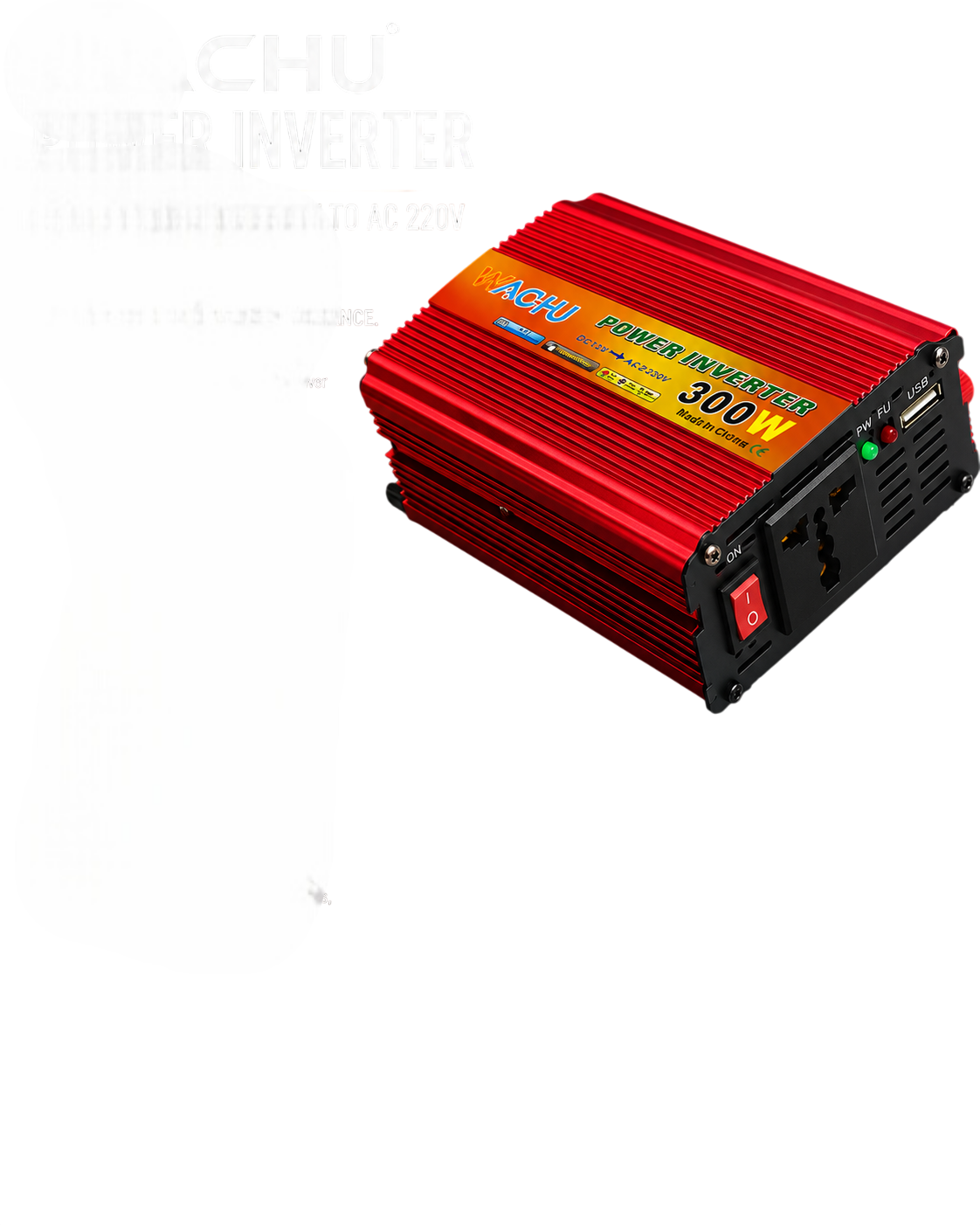
Every extra hour on the clock costs fuel, oil and engine life. Run the generator only for heavy loads, and let battery storage carry lights, TV, router, fans and phone charging overnight. A hybrid inverter switches between solar, grid, battery and generator. For small loads, a compact unit such as the Pure Sine Wave 300W Power Inverter converts a 12V battery into clean 230V power for electronics and lighting, though at 300W it is not for pumps, kettles or fridges. For a single box that manages solar, grid and battery, the Nyumbani 1KVA Solar Hybrid Inverter is designed for small homes and shops running lighting, TV, fans and charging.
Storage must match your loads. A deep-cycle battery such as the 12V 150Ah/10Hr Deep Cycle Solar Battery stores energy between generator runs, and a solar panel such as the 270W Golden Solar Bifacial Solar Panel can top it up during the day. Size the battery from your nightly load: if lights, router and TV total roughly 150W for five hours, that's about 750Wh, and you should leave headroom because batteries shouldn't be drained flat.
In practice: solar charges the battery through the inverter by day; the battery carries small loads at night; the generator runs only for heavy appliances or a long cloudy spell. Fewer generator hours mean less fuel, fewer oil changes and a machine still healthy in five years.
Quick safety reminders
- Exhaust fumes kill. Run outdoors or in a well-ventilated shelter only.
- Keep fuel, rags and dry grass away from the hot exhaust.
- Earth the set if the manual says so, and use proper cable, not bare joints.
- Refuel only when the engine is off and cool.
- Let the engine cool before covering or storing.
None of this is expensive. A notebook, fresh oil, clean fuel and a dry slab will keep a generator dependable through many power cuts.
Frequently asked questions
How often should I change the oil in a small generator in Kenya?
Change the oil after the first 20 hours, then roughly every 50–100 hours of running or at least once a year, whichever comes first. Dusty conditions mean changing sooner.
Why won't my petrol generator start after sitting for months?
Old fuel in the carburettor is the usual culprit, sometimes with a fouled spark plug. Drain and refresh the fuel, clean or replace the plug, add stabiliser to stored fuel and run the set briefly every few weeks.
Can a generator charge batteries through an inverter instead of running appliances directly?
Yes. A hybrid inverter can use the generator to charge batteries, which then carry small loads through the evening, so the generator runs for shorter, fuller periods instead of idling for light loads.
Products in this guide
- Pure Sine Wave 300W Power Inverter
- Nyumbani 1KVA Solar Hybrid Inverter
- 12V 150Ah/10Hr Deep Cycle Solar Battery
- 270W Golden Solar Bifacial Solar Panel
Prices and stock change often; open each product for today's price.

Author
Solar Africa
Related posts